
Whey Protein vs Other Protein: Which One is Best for Your Fitness Goals?
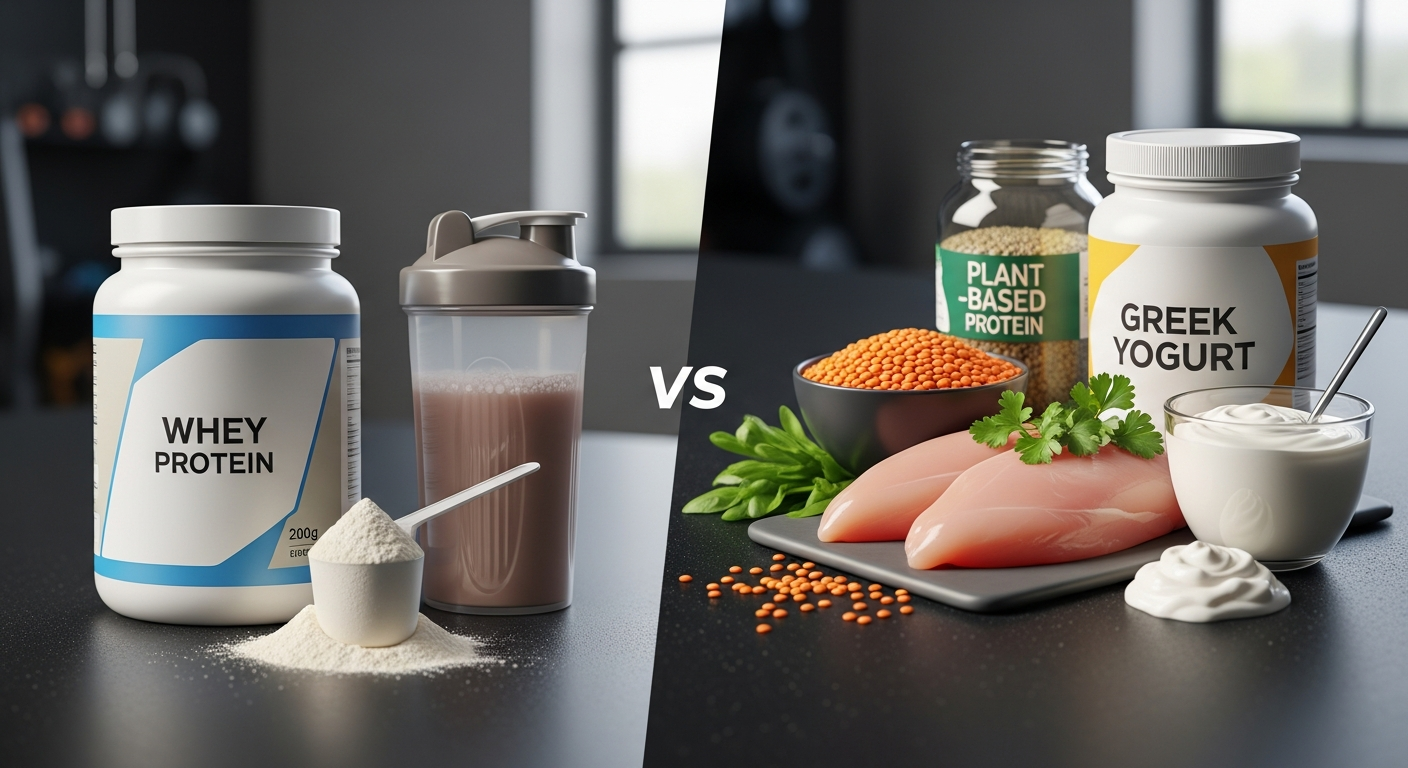
When someone is interested in fitness, muscle building, and nutrition, one of the first questions that arise is whey protein versus another protein source. Whey protein has many beneficial properties; it's fast absorbing, contains high-quality amino acids, and has a significant impact on muscle recovery—making it a popular protein among athletes and health-conscious consumers worldwide.
When comparing the different types of protein (whey, plant-based, casein, soy, etc.), each type has unique characteristics that provide many different advantages. However, whey protein offers a higher level of bioavailability than other protein sources and also digests faster than other types of proteins, providing a greater effect on the promotion of muscle growth.
Whey protein can be consumed in several ways, including shakes, smoothies, and meal replacement drinks. When deciding whether to use whey protein vs. other types of protein, your particular fitness goals, dietary preferences, and digestive requirements will determine the best choice of protein for your individual needs. Whether you are building muscle, losing weight, or overall improvement in your health and fitness levels, using a high-quality protein source will produce better results in a shorter amount of time.
Understanding Whey Protein and Its Unique Benefits
When someone is interested in fitness, muscle building, and nutrition, one of the first questions that arise is whey protein versus another protein source. Whey protein has many beneficial properties; it's fast absorbing, contains high-quality amino acids, and has a significant impact on muscle recovery—making it a popular protein among athletes and health-conscious consumers worldwide.
When comparing the different types of protein (whey, plant-based, casein, soy, etc.), each type has unique characteristics that provide many different advantages. However, whey protein offers a higher level of bioavailability than other protein sources and also digests faster than other types of proteins, providing a greater effect on the promotion of muscle growth.
What Makes Whey Protein a High-Quality Protein Source
Because whey protein has an overall good amino acid profile and easy-to-digest ingredients, it’s classified as a “premium” protein source. Also, it is considered a complete source of protein (it has all the essential amino acids the body cannot produce).
Key Highlights/Points:
- Whey protein is a complete protein source with all the essential amino acids.
- When consumed, whey protein has a high biological value, meaning your body uses it efficiently.
- Whey protein is rich in leucine, an amino acid that signals your muscles to create new proteins.
- Operate at optimal health, improve your immune system, and help in recovery.

Fast-Digesting Protein for Muscle Recovery
Whey protein is one of the quickest digesting protein powders available. This is important for post-exercise muscle recovery, as the body needs nutrients (amino acids) quickly. Whey protein is able to supply these amino acids faster than most other sources of protein.
Benefits of fast digesting:
- Speed up repair of muscles after exercise
- Reduce muscle soreness and fatigue
- Supply the body with nutrients quickly
- The best type of protein to consume after exercise
Whey protein digests faster than casein, which means it is better to consume whey than casein immediately after exercise. However, casein is an excellent protein to consume at night because it digests slowly compared to whey Protein
Role of BCAAs in Muscle Growth
Branched-chain amino acids (BCAA), particularly leucine, are found in abundance in whey protein and serve as a major contributor to muscle construction and repair.
Key Advantages of BCAA's in Whey Protein
- Increases Muscle Protein Production
- Reduces Muscle Deterioration
- Improves Exercise Performance
- Speeds Up Recovery and Keeps you Going longer

Common Types of Other Proteins: Casein, Plant-Based, and More
When comparing whey protein vs other protein, it’s important to understand the different protein sources available and how they function in the body. While whey protein is known for its fast absorption and muscle-building benefits, other proteins like casein, plant-based options, and egg or beef protein offer unique advantages depending on your goals, digestion, and dietary preferences.
In the discussion of whey vs other proteins, each protein type serves a different purpose—some are better for sustained release, while others cater to vegan diets or specific nutritional needs. Choosing the right one depends on factors like timing, lifestyle, and fitness objectives.
Casein Protein: Slow-Release Benefits
Another milk-based protein, casein, has its own benefits. Unlike whey, casein digests slowly, allowing for a constant release of amino acids throughout the day.
Benefits include:
- When Digested Slow, Aid in Muscle Recovery During the Night
- Prevent Muscle Breakdown During Long Periods with No Food Intake
- Keeps You Satisfied Longer (Perfect For Weight Loss)
- Best to Consume Prior To Bedtime

Plant-Based Proteins: Soy, Pea, and Rice
Advantages:
- Dairy-free with gentle digestion
- Appropriate for vegan diets
- High in fibre and plant nutrients
- Can be combined to make a complete profile of amino acids.
Common Forms:
- Soy Protein - complete protein containing all essential amino acids.
- Pea Protein - high in iron and easy to digest.
- Rice Protein - hypo-allergenic, also very easy to digest.
Egg and Beef Protein Alternatives
Animal proteins make up dairy-free, low-fat, high-protein alternatives.
Egg protein:
- Complete source of protein with a good amino acid profile;
- Free from lactose and easily absorbed;
- Aids in helping muscle repair and grow.
Beef protein:
- Contains many amino acids and a large amount of collagen;
- Promotes healthy joints and muscle recovery;
- A good option for someone avoiding dairy.
Nutritional Comparison: Whey Protein vs Other Proteins
It is important to compare the nutrients you will consume in order to make the best choice for your needs and fitness objectives when comparing whey protein versus all other types of protein. Whey Protein is known for superior quality (high biological value), quick (25-30 minutes), and complete (full amino acid spectrum) absorption in the body, whereas other types of protein (Casein, Plant-based, Egg, Beef) have benefit characteristics suited to a variety of dietary requirements and digestion rates.
When compared to other proteins, whey provides a very quick recovery time for muscle and exercise to build and restore, while many would suggest instead that they are designed to provide more sustainable energy, flexible dietary options, or specific purposes. A comprehensive comparison of the two proteins allows for criteria such as performance, digestion, and overall health, to be evaluated in order to make informed choices.
Protein Absorption Rates and Digestibility
Whey protein and other sources of protein differ primarily in the speed at which they are ingested and used by the body. Whey protein is quickly absorbed into the bloodstream and is therefore very helpful after exercise and for muscle recovery. Other types of protein, including casein and plant-based proteins, are digested more slowly, meaning their nutrients are released into your body gradually after consuming them.
Here's a summary of the rates of absorption for each type of protein:
- Whey Protein : Absorbs very quickly (30-60 minutes).
- Casein Protein : Absorbs slowly (up to 6-8 hours).
- Plant Protein : Moderate absorption speed.
- Egg Protein: Medium absorption speed.
- Beef Protein: Moderate absorption speed.

Amino Acid Profiles Compared
The composition of amino acids is another factor that influences the distinction between whey proteins relative to other types of proteins. Muscles utilize these amino acids for their ability to repair as well as grow. As an example, whey protein is the only protein source that provides all nine of the essential amino acids and is also the highest source of branched chain amino acids (BCAAs) with leucine being of highest importance in terms of building muscle.
Below are the most important aspects of these proteins;
- Whey Protein> Complete Protein + High Leucine Level
- Casein (Complete Protein & Slow Digestability)
- Soy Protein (Complete Protein & Plant-Based)
- Pea Protein + Rice Protein (Both are Incomplete Proteins But Can Be Combined)
- Egg (High Quality Complete Protein)

Calorie and Macronutrient Differences
Different kinds of protein must be classified according to how many carbohydrates and fat are in each source, therefore they will impact your diet in different ways. For example, whey isolate has the least fat and nutrients, so people should use it for weight loss and to build muscle mass.
Important things to remember:
- Protein is low in fat/carbs and high in protein content, therefore whey isolate is the best protein for gaining lean mass.
- Protein from all other sources may contain higher amounts of fat and carbohydrates.
- Other protein sources may include a greater degree of starch, fiber and total carbohydrates due to their slower rates of digestion.
- Beef proteins may contain added fats when consumed

Which Protein is Better for Muscle Building and Recovery?
Choosing a protein type (whey or non-whey) starts with your goals, when and how soon after exercise you'll be recovering from exercise. Whey protein is generally considered to be the quickest and most effective for helping recover from an exercise session and develop new muscle mass. The reason for this is due to its quick absorption rate and high levels of leucine.
But while whey protein will help with muscle recovery, you can also benefit from using slower-digesting proteins like casein or plant-based proteins (such as pea or rice). These slower-digesting proteins provide sustained recovery and total muscle maintenance benefits.
Whey Protein for Muscle Growth
Whey protein is viewed as the ultimate (gold) source of muscle growth due to it being easily digested quickly and contains a complete set of amino acids.
Main Benefits:
- Provides protein and other nutrients to working muscles very rapidly, as they are digested quickly.
- Contains a high amount of L-leucine which stimulates the production of new proteins, leading to muscle growth.
- Helps with quicker muscle recovery and growth.
- Great option for consumption after exercise.

Slow-Release Proteins for Overnight Recovery
Casein, being a slow digesting protein, is crucial in providing a steady source of amino acids over a long time, particularly when sleeping or during long periods of fasting.
Benefits:
- Provides continuous nourishment to the muscles
- Minimizes muscle catabolism overnight
- Increases satiety (feeling full) for extended periods
- Ideal for consuming before going to bed
Post-Workout Supplement Comparison
Maximal strength and recovery after your training session depend greatly on what type of protein you choose to consume post-workout. You should choose whey protein as the best protein source immediately following your workout, whereas you will want to incorporate other protein sources at other times.
Main Points of Information:
- Whey Protein - Best post-workout protein for quick recovery.
- Casein - Best for at night and/or during longer timeframes between meals.
- Plant Proteins - Good alternative; however, plant proteins digest slower than both casein and whey proteins.
- Egg Protein - Good source of protein containing all essential amino acids; digests at moderate speed.
Considerations for Dietary Restrictions and Allergies
When comparing different forms of proteins including whey protein, it is important to think about food allergies or intolerances that you may have and how your body will digest each type of protein. Whey protein is the most effective type of protein to build muscle and help with recovery after exercise; however, some people cannot eat whey due to dairy allergies, lactose intolerance, or in the case of vegans, they have chosen not to eat dairy based proteins.
Dairy Intolerance and Whey Alternatives
Whey protein is made from milk and contains a small amount of lactose; therefore, many people experience digestive issues when using whey protein.
Key Points:
- Each type of whey will have a different amount of lactose
- Whey protein isolate has less lactose
- Some people with severe lactose intolerance need to avoid whey
- Alternative proteins exist like plant-based or egg proteins.

Vegan and Plant-Based Protein Options
The distinction between whey protein and other protein sources is crucial for people living a vegan lifestyle because whey protein is derived from animals and therefore would not be appropriate for anyone choosing to live their life as a vegan.
Here are a few common types of plant-based proteins.
- Soy Protein - a complete protein containing all of the essential amino acids.
- Pea Protein - an easily digestible protein that is also high in iron.
- Rice Protein - is easy on the digestive tract and non-allergenic.
- Blended Plant Proteins - where multiple sources of plant-based protein are combined to form a more complete amino acid profile.
Some of the advantages of plant-based protein versus whey protein are:
- 100% dairy-free and suitable for vegans
- Lactose-intolerant individuals will be able to use it without difficulty.
- Plant-based proteins typically have added fiber, vitamins and minerals.
Digestive Comfort and Allergen Concerns
The amount of digestive comfort a consumer has when choosing a protein source can greatly influence that customer's overall decision to purchase whey protein or another type of protein. The extent to which a person will have digestive discomfort will depend on their individual level of tolerance to the protein source.
Other factors pertaining to digestion of proteins:
- Lactose intolerant individuals may experience bloating or other digestive discomfort from consuming whey protein, especially due to the amount of lactose in whey.
- Artificial sweeteners and additives may cause varying degrees of digestive discomfort for different people.
- Plant-based proteins are a better choice for some people with sensitive stomachs.
- Egg proteins are generally well tolerated by most individuals, although some individuals with egg allergies may experience symptoms of an allergic reaction.
Suggestions to Improve Digestion of Proteins:
- Look for high-quality protein powders with clean labels: avoid all fillers, sugars, or artificial ingredients.
- Test your tolerance by consuming smaller amounts of protein powder to begin with.
- Hydration is essential to the body’s overall digestion process
The Cost Factor: Whey Protein vs Alternative Proteins
When it comes to comparing whey versus other sources of protein, cost also plays an integral part of long-term decision making when selecting a protein source. Whey is often considered to be a 'premium' product – both in terms of its perceived strength (quality) and its overall effectiveness, absorption rate and ability to promote muscle growth. While some would argue that the additional cost associated with whey makes using this type of protein unsustainable over time, others would argue that the additional benefits resulting from taking whey exceeds the cost of using whey protein.
Price Comparison Across Protein Types
Various forms of protein will vary in price depending on how they were made, what type of protein they are, and how much of that type of protein is available.
Key Information Regarding Protein Prices:
- Whey Protein Isolate — More Expensive Than Whey Protein Concentrate
- Plant Proteins — Available At Varied Price Points From Low-Priced To High-Priced
- Egg Protein — Moderately Priced
- Beef Protein Is Processed, Therefore It Demands A Higher Price

Value for Money in Protein Supplements
Price alone doesn't determine value...but rather, it’s how well that protein helps you reach your goals! Compared with other types of protein (such as soy), whey protein typically provides a higher amount of nutrients per serving, which makes muscle recovery and growth more efficient.
The following summarize several reasons why whey has advantages in terms of protein content versus other options available today:
- Whey Isolate has more protein per scoop than Whey Concentrate
- Muscle recovery/growth is more efficient with Whey than other protein sources
- Whey has fewer fillers and greater nutrient use
- Less amount of protein is needed per serving than many Plant Based Proteins
Accessibility and Availability
Convenience is one of the key factors to consider when choosing between whey protein and other protein sources. Whey protein can be found virtually everywhere you look, whether it be at your local gym or on your favorite website.
Some quick notes to remember are:
- Convenience: Whey protein is readily accessible in most gyms, health stores & online
- Variety of different brands/varieties/flavors of whey protein available vs limited options for most plant proteins
- Though plant protein is abundant, there are fewer choices in some areas compared to whey protein
- Specialty proteins such as beef and egg will likely be less available than either plant or whey protein options
How to Choose the Right Protein Based on Your Needs
Your decision to use whey protein or another protein source should be based on your individual goals, your lifestyle, and the way your body responds to different types of protein. For example, whey protein is excellent for building muscle and helping with recovery, yet other types of protein such as plant-based proteins, casein, or egg proteins may better align with the types of diets you enjoy or your health issues.
Fitness Goals: Muscle Gain vs Weight Loss
The fitness goal will determine what kind of protein you should choose.
Muscle gain requires
- Fast whey
- BCAA builds muscle
- Good to consume after exercise
Weight loss requires
- Whey to control appetite & keep muscle
- Casein to satisfy longer
- Plant to add fiber for fullness
Dietary Preferences and Lifestyle
Your dietary habits and daily behaviors will also help ascertain which protein is best for you
Things to consider when selecting a protein source include:
- Vegetarians/Vegans: Select plant-based proteins (such as pea, soy or rice).
- If you are busy: Whey protein is easily prepared and convenient to consume.
- For meal replacement: Whey or mixed protein sources will work well.
- If you prefer a natural diet: Look for protein that has a clean label and is minimally processed.
Allergen and Digestive Considerations
The most important aspects when selecting protein are allergies and digestive comfort.
Common Considerations:
- People who have trouble with lactose may have trouble with whey protein.
- Whey protein isolate is less difficult to digest than whey protein concentrate.
- All plant-based protein powders are free of lactose and most allergens.
- Protein derived from eggs can be used as an option unless you are allergic to eggs.
Suggestions for Improving Digestion:
- Try starting with low amounts of protein to see if your body can handle it.
- Pick a protein supplement that does not have additives added.
- Make sure to drink plenty of water to absorb vitamins and minerals from proteins efficiently.
- If you are sensitive to artificial sweeteners do not use them.

FAQ
Q1. What is the main difference between whey protein vs other protein?
Whey protein is fast-digesting and rich in BCAAs, while other proteins digest slower or may lack a complete amino acid profile.
Q2. Is whey protein better than plant protein?
Whey protein is better for quick muscle recovery, while plant protein is ideal for vegans and those with dairy restrictions.
Q3. Can I use multiple protein types together?
Yes, combining different proteins can provide both fast and sustained nutrient release for better results.
Q4. Which protein is best for weight loss?
Whey protein is best due to its ability to control appetite and preserve lean muscle.
Q5. Is whey protein suitable for lactose-intolerant people?
Whey isolate is usually suitable as it contains very low lactose compared to whey concentrate.
Conclusion: Making the Right Choice for Your Fitness Journey
Your decision about which type of protein to use will depend largely on your individual fitness goals, dietary choices, and how each type of protein works with your body. Protein is classified by both quality (meaning how quickly it can be absorbed) and how effective it is for developing muscle and helping you recover from a workout. Of all protein sources available, whey is the fastest-digesting and has a superior amino acid profile compared to other forms of protein, making it the ideal choice for someone who is physically active and looking for a post-exercise meal.
However, if you compare whey protein to other types of proteins, it’s worth noting that there are other types of proteins that can provide you with valuable nutritional support depending on your lifestyle (for example, plant-based proteins, casein proteins, and egg proteins). If you are vegan, lactose intolerant, or want more sustained energy throughout the day, using these other forms of protein in conjunction with whey can help you achieve a balanced nutrition plan with long-term benefits.
Ultimately, your best option will be to focus on the type of protein that aligns with your goals (i.e., muscle gain vs. weight loss vs. overall health) in order to support your fitness journey and achieve desired results. You should become familiar with how the different types of protein differ from one another to select the best protein strategy for your needs.