
Whey Protein for Fertility: Benefits, Myths & Safe Use
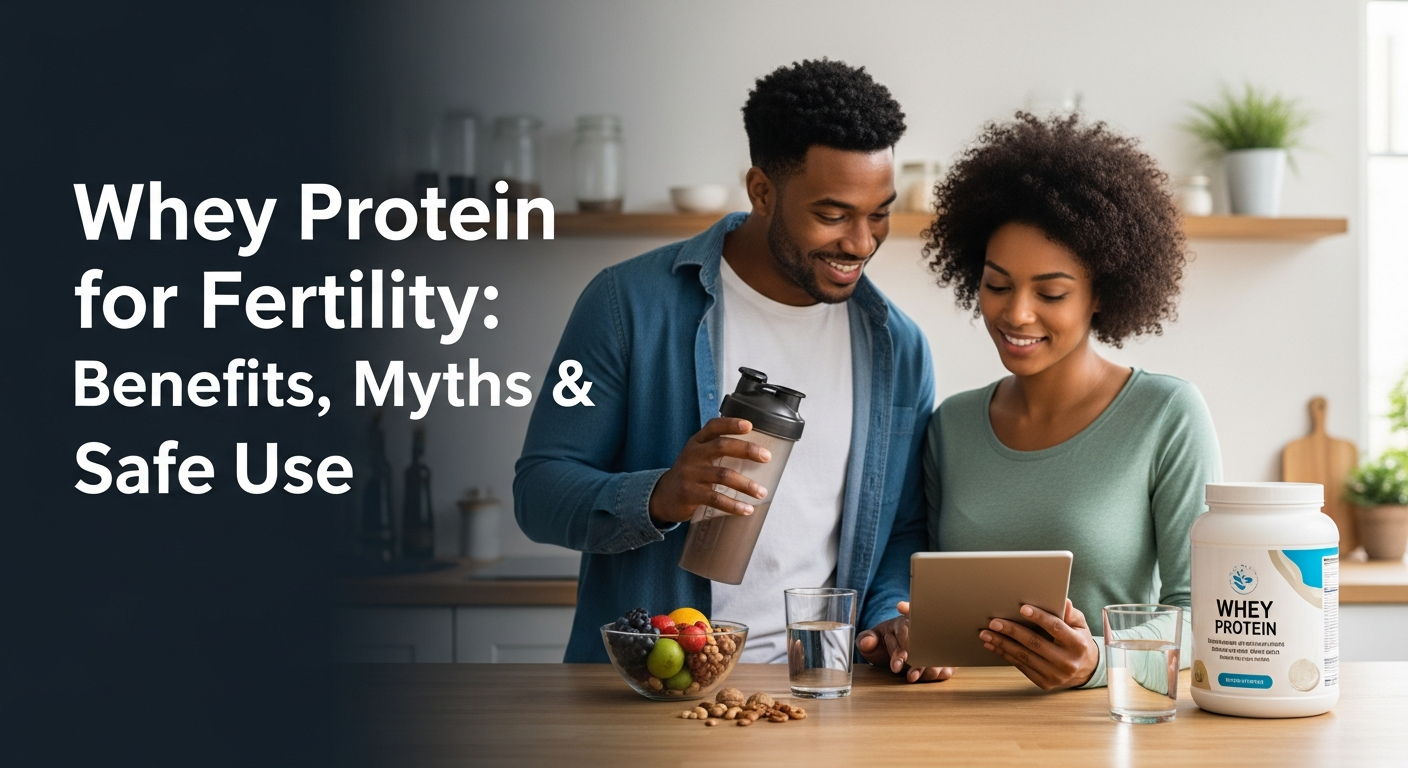
Whey protein is a fast digesting high-quality protein obtained from milk that promotes a person’s overall health and well-being, glycemic index balance, and hormonal balance, thus when it comes to fertility and whey protein assists with meeting the daily protein requirements for reproduction.
The connection between whey protein and fertility through metabolism, energy levels, and hormone production; therefore, achieving the recommended intake of protein is necessary to help maintain cellular health and therefore the quality of eggs and sperm.
The digestibility of whey protein makes it very convenient for many who are considering enhancing their nutritional intakes while trying to conceive. Additionally, whey protein supports muscle development, combats fatigue and promotes well-being.
Whether it is through a whey protein shake, smoothie, or daily nutritional support, whey protein for fertility provides an easy and efficient way to increase dietary intake and thus provides a positive benefit for a couple trying to conceive.
Understanding Fertility and the Role of Nutrition
Hormonal Balance, Lifestyle Factors, and Nutrition All Impact Fertility. Nutrition Affects Your Reproductive Health (Your Eggs And Sperm's Quality, Hormonal Production, And Energy Levels), So Incorporating Quality Sources Of Protein Like Whey Is Important For Supporting Your Body's Nutritional Needs For Good Reproductive Health.
Protein-Rich Foods - Whey Proteins - Are An Important Component To An Optimal Fertility Diet Because They Provide Essential Amino Acids That Assist With Cell Repair, Hormone Function (e.g., estrogen) And Hormonal Regulation, And Metabolism.
How Nutrition Impacts Reproductive Health
Nutrition Plays An Important Role In The Regulation Of Reproductive Health And Processes. An Imbalanced Diet Can Lead To Hormonal Imbalances, Low Energy, And Decreased Fertility Potential.
Main ways nutrition can Support Fertility:
- Good For Egg And Sperm Development
- Good For Hormone Production And Regulation
- Decrease Oxidative Stress And Inflammation
- Increase Energy And Metabolic Wellness.
Proteins, And Specifically, Whey Protein, Are Vital For Tissue Formation And Supplying Energy To Body Tissues. Because Whey Contains Various Amino Acids, It Provides An Efficient Source For Daily Protein Intake.
Key Nutrients Required for Fertility Support
Certain nutrients are especially important for reproductive health and should be included in a fertility-focused diet.

Hormonal Balance and Fertility
In order for a woman to conceive successfully her hormones must balance. These hormones include: estrogen, progesterone, testosterone, and insulin, which must all work together correctly so that she becomes pregnant.
Factors that affect the balance of hormones in a woman's body:
- An abnormal or poor diet, lack of nutrients
- A high amount of sugar in the diet
- Stress and other lifestyle factors
How Protein can either help or hinder a woman’s fertility:
- Helps to stabilize blood glucose levels
- Acts to stabilize the hunger hormones
- Provide amino acids (building blocks) necessary for hormone production
A woman can support her overall metabolism and create a balanced hormonal environment by including WHEY Protein Powder in her diet which will improve her chances of becoming pregnant.
What Is Whey Protein and Its Nutritional Value
Whey protein is a source of protein that is one of the most complete and easily digested (being derived from whole cheeses, it has all the essential amino acids necessary for the body to operate optimally). The rich nutritional content of whey provides support for hormone production, cellular regeneration, and reproductive health — making it an ideal protein choice for those trying to conceive.
Fertility is related to nutrition and metabolic balance; therefore integrating whey protein into a balanced diet, along with other fertility-enhancing strategies, can improve overall health, vitality, and fertility success.
Whey Protein Explained Simply
Whey protein is the liquid portion of milk that has separated from its curds. It is dried and processed into whey protein powder, which is a popular dietary supplement.
Some of the key characteristics of whey protein include:
- Contains a complete protein with all of the essential amino acids
- Absorbs quickly and is easily digested
- Helps to heal muscles and improves metabolic performance
- Versatile and easy to use on a daily basis
For individuals who are focused on improving their reproductive health, using whey protein to satisfy daily protein intake is a simple and effective way to accomplish this.
Amino Acids and Their Role in Fertility
Amino acids, being the fundamental elements of proteins, contribute to a variety of aspects of reproduction including hormone production and the repair of damaged tissues.
There are four major areas that amino acids contribute to both male and female fertility:
- Development of normal sperm and ova.
- Hormonal synthesis and regulation.
- Enhancing cellular healing and regeneration.
- Reducing oxidative stress.

Whey Protein’s Bioavailability and Benefits
Bioavailability is based on how effectively the body uses and absorbs nutrients. With one of the highest bioavailability ratings of all protein sources, whey protein is very effective.
Advantages of high bioavailability are:
- Faster uptake and use
- Support for the repair of muscles & tissues
- Better metabolic and hormonal balance
- Less strain on the digestive system

How Whey Protein Supports Fertility Health
Reproductive health relies heavily on the nutrition we consume on a daily basis, with protein being one of the main nutrients associated with improving reproductive health (fertility). Egg white and whey protein are two great sources of essential amino acids which also improve metabolism and assist in the regulation of hormones. Because many different factors affect fertility (i.e. hormonal balance, energy levels, etc.), whey protein and fertility are both also connected through the nutrition provided by dietary intake.
In conjunction with a properly balanced diet, the consumption of whey protein has been shown to provide a more optimal internal environment for supporting both male and female reproductive health.
Whey Protein and Hormonal Balance
Hormonal imbalances can cause a lack of fertility due to the roles of Estrogen, Progesterone, Testosterone or Insulin in ovulation, sperm production and health of reproductive organs.
How Whey Protein can Assist with Hormonal Balance and Fertility:
- Whey Protein may help normalize your blood sugar levels, thereby improving your insulin sensitivity.
- Whey Protein is a source of Amino Acids that are needed to produce hormones.
- Whey Protein may provide a balanced source of energy to decrease hormone-related stress.
- Whey protein supplementation assists in controlling body fat and will help to regulate hormone levels in your body.

Role in Improving Egg and Sperm Quality
Egg and sperm quality are vital to achieving a successful pregnancy. Poor nutrition can harm cell health and reduce chances of conception.
Benefits of Whey Protein and Fertility in this Context
- Aids in repairing cells and regenerating tissue
- Supplies a complete source of the essential amino acids necessary for reproduction
- Aids in reducing oxidative stress by improving dietary intake
- Promotes healthy overall tissue

Supporting Energy, Metabolism, and Reproductive Health
Fertility can be impacted by your level of fatigue, metabolic health, and blood sugar levels. If you have issues with fatigue and/or your metabolism, those will negatively impact your ability to conceive.
Benefits of utilizing whey protein for fertility:
- Contains long-lasting energy throughout the day
- Supports muscles and metabolism
- Promotes a healthy body weight
- Enhances energy levels & feeling good in general

Is Whey Protein Safe for Fertility?
Safety and nutrition are the two most important things to consider while trying to get pregnant. One of the most common questions people have about whey protein is whether it is safe and what impact it can have on a couple's ability to conceive. The answer is yes—when choosing the best whey protein for your needs and using it at the right amounts, it can be beneficial for men and women.
Since fertility is highly dependent on overall nutritional intake, adding whey protein along with a fertility plan to an otherwise balanced diet should not have any negative impacts when done correctly.
Safety of Whey Protein for Men and Women
Whey protein has become one of the most common dietary supplements and is widely accepted as a safe option for any person, regardless of their current pregnancy status.
Main points about the safety of whey protein for men and women:
- Whey protein is an excellent source of high-quality protein free from harmful additives (provided that the whey protein has been selected properly).
- Whey protein helps to build and maintain muscle.
- Whey protein will not negatively affect a healthy person's ability to reproduce.
- Both men and women can safely use whey protein.

Does Whey Protein Affect Hormones Linked to Fertility?
Many people wonder if there is a connection between whey protein consumption and infertility due to hormonal imbalances. Fortunately, scientific research does not demonstrate any negative association between the consumption of whey protein and reproductive hormones.
Some facts related to this issue include:
- Does not contain any reproductive hormone(s)
- Proper consumption of whey protein promotes insulin balance.
- Whey protein supports steady energy levels as well as steady metabolism.
- There is not enough scientific evidence to prove that whey protein disrupts estrogen, testosterone, or progesterone levels in the body.

Choosing the Right Whey Protein for Fertility
Protein supplements come with a variety of types and forms (i.e., protein bars, etc.) but the quality is very important to both safety and effectiveness.
Key Things to Look for When Selecting Whey Protein:
- Low or No Added Sugars
- Clean Label Ingredients
- Very Little Processing and Additives
- Easily Digestible (Consider Whey Isolate)
Ingredients to Avoid:
- Excess Artificial Sweeteners;
- High Carbohydrate or Sugary Protein Powders;
- Fillers such as Maltodextrin.

How to Use Whey Protein for Fertility Benefits
To use whey protein successfully for enhancement of reproductive health (i.e., fertility), an individual must use the recommended amount, timing, and diet. Whey protein will not directly support an individual’s reproductive health but rather assist the individual in meeting nutritional needs, hormonal balance and energy levels – all three of which are important components of reproductive health.
An individual may use whey protein in conjunction with a healthy lifestyle to support their overall health.
Daily Intake and Recommended Dosage
The specific amount of whey protein for improvement of reproductive health is dependent upon an individual’s daily protein requirement, level of physical activity, and existing diet.
General rules to follow:
- 20-30 grams of whey protein is sufficient as a serving size for the majority of individuals
- Total daily protein intake corresponds with an individual’s body weight and lifestyle
- Excessive protein intake should be avoided; balance of all sources of protein is necessary for hormonal health.

Best Time to Take Whey Protein
Protein absorption by your body can vary depending on what time of day you take it. Whey protein can be taken at any point throughout the day, but taking it at certain points might provide you with additional benefits.
The Best Times to Take Whey Protein:
- In the morning - Provides a boost to your metabolism and provides you with energy throughout the day.
- After exercise - Provides your body with the amino acids it needs to recover and repair muscle tissue.
- Between meals - Aids in controlling your appetite and stabilizing your blood sugar levels.
The Benefits of Using Whey Protein At the Proper Times:
- Improved nutrient absorption
- Increased energy levels
- Decreased appetite and fatigue
Having a consistent source of whey protein taken throughout the day will provide your body with the support of consistent nutrition and metabolic support, which can be beneficial for your fertility.
Combining Whey Protein with a Fertility-Friendly Diet
The ideal way to support your fertility is to eat a balanced diet that includes wholesome foods, whey protein and added vitamins and minerals. Protein alone will not give you optimal fertility; there are other essential nutrients that also must be present in the body in order for you to conceive.
Important combinations of foods that should be included in your diet include:
- Fruits and vegetables (antioxidants)
- Healthy fats such as nuts, seeds (for hormone balance)
- Whole grains (for energy)
- Micronutrients such as iron, zinc, folate

FAQs
Q1. Is whey protein safe when trying to conceive?
Yes, whey protein for fertility is safe when consumed in moderation and chosen without added sugars or harmful additives.
Q2. Can whey protein improve sperm quality?
Adequate intake of whey protein supports overall nutrition, which may help improve sperm health and quality.
Q3. Does whey protein affect ovulation?
There is no evidence that whey protein and fertility negatively affect ovulation when consumed appropriately.
Q4. How much whey protein should I take for fertility?
Typically, 20–30g of whey protein per serving is sufficient, depending on your daily protein needs.
Q5. Can whey protein cause hormonal imbalance?
No, whey protein and fertility are not negatively linked, and moderate intake does not cause hormonal imbalance in healthy individuals.
Conclusion: Supporting Fertility with Smart Nutrition Choices
Fertility is determined by many factors including hormonal levels, habits, and nutrition . Including whey protein in your daily nutrient intake is a practical approach to achieving the level of protein you need to maintain adequate energy supplies throughout the day; and basically keeping the body healthy through healthy metabolic functioning , even when there’s no direct link between whey protein & fertility .
By selecting only high-quality , clean , and hygienic whey protein , you can gain benefit from consuming it without additional fillers or sugars/ chemical additives to disrupt your body’s overall metabolic balance . Including whey protein along with essential nutrients such as good fats, vitamins , minerals, antioxidants , etc., provides one option of a comprehensive approach to reproductive health improvements .
In Conclusion, in order to maximize your ability to have children or achieve good reproductive health and/or longevity , it is critical that you make well-informed ; intelligent / smart , healthy dietary choices & supplements as part of a complete lifestyle including exercise /physical activity , managing stressors or other factors affecting hormonal & overall health, and physicians’ advice/supervision .