
Whey Protein and Hormones: Unveiling the Real Impact on Your Health
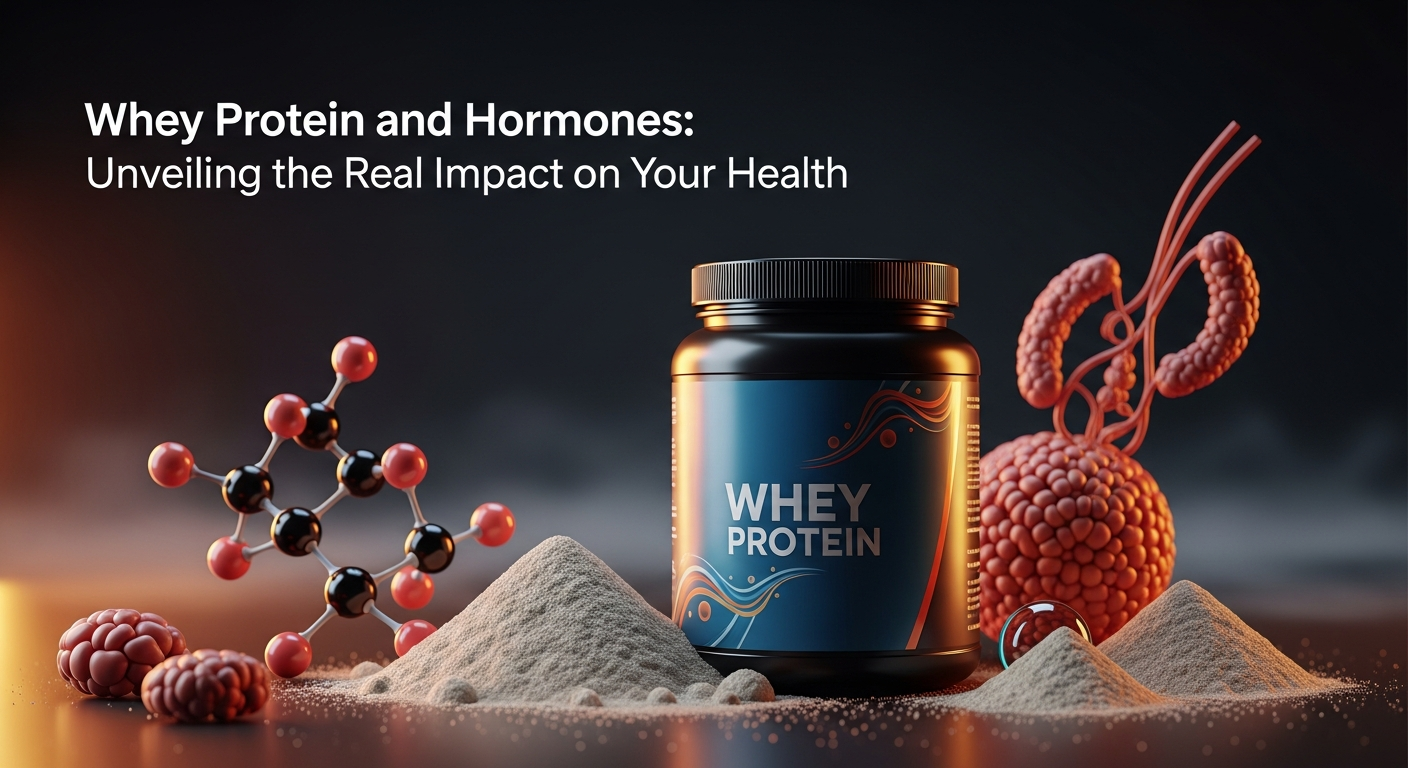
Whey protein is a top-notch, rapidly digestible protein sourced from cow's milk. Whey protein offers many advantages including muscular growth, recovery from exercise and general wellbeing. This leads to the question of whether or not taking whey supplements could have an effect on your body's hormone levels through their impact on how much protein you consume.
Additionally, the amino acids in whey provide a lot of metabolic support by assisting with muscle healing, controlling appetite, and regulating insulin levels and hormones that regulate hunger and energy.
Another common question about whey protein supplements is whether or not they will affect someone's hormones. Normally a healthy person should not experience any negative changes to the levels of testosterone or estrogen or thyroid hormones. In fact, when taken appropriately whey protein actually adds value to one's endocrine system by providing metabolic benefits; thereby supporting your metabolism and ultimately supporting the overall health of your body's hormone systems.
As fitness advocates worldwide as well as ordinary individuals look to understand the relationship between whey protein and hormones, it becomes very easy to differentiate between myths and truths about the benefits of taking whey protein. By obtaining factual information you'll be able to make educated decisions about how their use can positively contribute to their long term health and hormone balance.
Understanding Whey Protein: What Is It and Why Is It Popular?
Whey protein is a nutritional supplement that has been studied extensively, uses a very large amount of food supply, and because of its biological effectiveness and rapid absorption, it contributes a lot to how well people recover after exercising and to the general metabolism of our body. There has been a great deal of discussion around whey and how it relates to the hormones in our body; therefore, many people are beginning to ask how it works within the endocrine system.
Whey is also helping with recovery by helping to replace lost nutrients, protein, or calories, along with having a strong evidence base to be effective at what it is used for and why people use it.
What Is Whey Protein and How It’s Made
Whey protein is produced as part of making cheese from milk. As the milk separates into curds and liquid, the liquid is called "whey," which is filtered, purified, and dried when making whey protein powder.
There are several simple steps to make whey protein:
1. Milk (curds and whey)
2. Separate the liquid whey from the curds
3. Remove the extra fat and lactose from the whey through added filtration
4. Produce the powdered form of whey protein through drying.
Since whey protein contains all of the essential amino acids, it is considered a complete protein. Issues, such as does whey protein affect hormones and so forth, are fairly common questions that can be answered through an extensive examination of the effects of whey protein on our body and hormone levels.
Types of Whey Protein (Concentrate, Isolate, Hydrolysate)
There are three primary forms of whey protein, each differing in protein content and processing level.

Why Whey Protein Is a Leading Fitness Supplement
The main reasons why whey protein is so popular among those who work out include:
- it supports muscle development and helps repair muscle after exercise
- it is digested quickly and readily absorbed by the body
- it is simple to use and makes it easy for people with busy schedules
- it can help control appetite and maintain a healthy weight or composition
Now, many people have questioned whether whey protein affects hormones or not; based on current research available, it appears as though consuming recommended amounts of whey protein may actually help maintain balance in several metabolic hormones (e.g., insulin) through stabilization of blood sugar levels.
The Science Behind Hormones: Key Players in Your Body’s Balance
Hormones are the chemical messengers of your body that regulate almost all the body’s functions including metabolism, muscle growth, mood and sleep cycle. To talk about whey protein in relation to hormones it is really important to have an understanding of how hormones work within our bodies if we want to explore the topic. Many times when discussing whey protein or other supplements and the effect(s) they have on hormones, people will use the term “hormonal balance.”
The hormonal system of our bodies is regulated by a very delicate system called the endocrine system. A very small fluctuation in your hormone levels can dramatically influence your energy level and fat storage and muscle mass as well as how you feel about yourself overall. So, when people are researching supplements and how they may affect their hormones and whether or not they are considering dietary choices, the questions asked such as does whey protein affect hormones are common.
Overview of the Endocrine System
In the endocrine system there are several glands in the body that produce hormones. The hormones produced are released directly into the bloodstream and then travel throughout the body to designated areas to regulate various functions of the body.
Major Glands of The Endocrine System
- Thyroid gland (controls metabolism)
- Adrenal gland (controls how our bodies respond to stress)
- Pancreas (controls blood sugar levels)
- Ovary/testis (control the production of reproductive hormones)

Testosterone, Estrogen, Insulin, and Cortisol Explained

Insulin is most impacted by what you eat because of your diet. Whey protein causes a small amount of insulin to be released into the bloodstream after you eat to help move amino acids into your muscles so they can repair. A small amount of insulin after eating, such as with a protein shake made from whey protein, does not create an imbalance (therefore answering the question: does consuming whey protein create negative hormone changes).
Why Hormonal Balance Matters for Health and Fitness
Balanced hormones contribute to:
- Energy that stays constant
- A healthy metabolism
- Building lean muscle
- Storing body fat appropriately
- Emotional well- being
How Whey Protein Affects Hormone Levels: Fact vs. Fiction
Different sources frequently contradict one another and don't agree on whether protein supplements will lead to disruption in hormone levels. But the current scientific consensus is that Whey Protein enables growth recovery in the muscles and maintains a healthy metabolism without interfering with normal hormones in recently healthy people.
By finding factual research to discredit the most popular myths about Whey Protein we can answer the common question of whether or not Whey Protein can alter the levels of hormones in such a negative fashion.
Does Whey Protein Affect Hormones Like Testosterone?
And the most popular belief is that Whey protein will lower testosterone production and disrupt hormones.
The data from research studies does not support the idea that if Whey Protein Is Taken Within Recommended Dosages It Will Disrupt Testosterone Levels.
- Whey protein does not directly reduce any active testosterone or oestrogen from any food product.
- Sufficient protein for muscle growth positively correlates to a healthy testosterone level.
- Whey Protein in conjunction with a resistance workout program is capable of maintaining proper testosterone functions.

Whey Protein and Insulin Response
Insulin is released when you eat whey protein, along with other types of protein. Insulin is a good and normal biological response that helps to transport amino acids into the muscles as they recover and repair.
KEY POINTS:
- Whey protein provides a moderate insulin response
- Insulin response assists with muscle protein synthesis
- Whey protein does not cause insulin resistance automatically
Whey protein/hormones misunderstanding. The insulin response to whey proteins is limited and is part of healthy metabolic function.
Cortisol and Protein Intake: What the Research Says
Cortisol is the main stress hormone in the body. High cortisol levels - which are often caused by chronic stress - can impact muscle size and fat storage. High protein intake can help to mitigate muscle breakdown from elevated cortisol levels.
Research shows:
- Protein aids recovery from exercise
- A balanced diet will help control cortisol levels
- There is no evidence to support high cortisol levels from constant use of whey protein or whey products.

Whey Protein for Men vs. Women: Are There Different Hormonal Impacts?
Many people ask whether the effects of whey protein on hormone levels differ for men and women; while it is true that men and women are produced with different levels of hormones (and therefore have different hormone profiles), the primary way that whey protein will affect your hormones will be the same across genders, particularly if consumed in amounts recommended by health professionals. Most studies show that the consumption of whey protein has positive effects on muscle recovery and muscle repair—and will not have a negative impact on your hormonal system.
Questions regarding the potential differences in how whey protein affects hormones in men and women are generally based on misconceptions rather than supported by sound science.
Whey Protein and Men’s Testosterone Levels
Testosterone is one of the hormones in men responsible for creating muscle mass, strength, vitality, etc., and many myths claim that the taking of whey protein somehow decreases the body’s production of testosterone, but science has debunked this idea.
Key Points:
- Whey protein does not have any testosterone in it.
- Eating enough protein will support (the body’s ability to build muscle).
- Combining whey protein and a resistance program may help keep testosterone at a healthy level.
Whey Protein and Women’s Hormonal Health
Whey protein has received much attention from women who fear that it will raise their testosterone levels or interfere with their balance of estrogen. However, whey protein is a dietary source of protein and is not classed as a hormone itself.
The following shows the positive effects that whey protein may have on women's health:
- Supports the development of lean muscle without adding bulk
- Moderates hormones that control hunger/eating
- Helps maintain stable levels of blood sugar
Excessive amounts of protein consumed may adversely affect the interaction between hormones and women, however, moderate consumption is linked to the maintenance of healthy hormone levels in women.
Gender Differences in Hormonal Response to Whey Protein
Both men and women have different baseline levels of hormones, however, when the body digests protein, the processes remain the same in both men and women. As such, consuming protein may generate a hormonal response, with insulin being the primary hormone responsible for the delivery of amino acids to muscle cells.

Debunking Common Myths About Whey Protein and Hormones
Whey protein has been a source of a lot of confusion due to all the misconceptions about its safety, leading consumers to think twice before purchasing. Acne, estrogen imbalances and fertility are several of the common myths surrounding this product. However, there is plenty of scientific evidence available to prove that whey protein does not throw your hormones off balance when consumed at a level recommended for an average healthy diet.
If you can grasp the scientific information regarding the question "Does Whey Protein affect your hormones?" you may be able to separate reality from myth.
Does Whey Protein Cause Acne?
Whey Protein is often associated with causing acne. Many consumers are lead to believe that using whey protein will lead to acne, and for some people this may be true, but not everyone will have the same experience. Many factors will affect the way our skin responds to whey protein, including: the foods we eat (our overall diet), our genetics and our skin sensitivity level.
Key Points to consider:
- Whey protein may trigger an insulin response, but it is only mild.
- Sugary flavored protein powders may contribute to breakouts.
- Individuals can have a degree of sensitivity to dairy or Whey protein

Does Whey Protein Increase Estrogen?
One of the more popular myths about whey protein is that it causes the body to produce estrogen. In fact whey protein has no active form of estrogen nor does it contain any estrogen-like substances that would greatly influence the amounts of estrogen in our bodies.
Let’s go over the facts regarding this misconception:
- Whey is a byproduct from cows milk, not man made synthetic hormone.
- The regular use of whey protein as food does not affect estrogen levels.
- There are no reports of woman showing an increase in estrogen levels after using whey protein.
When answering the question does whey protein affect hormones such as estrogen; research to date does not support this idea.
Hair Loss and Fertility Myths Around Whey Protein
It has been suggested to some that they should limit or discontinue their use of whey due to its effects on hormones to avoid hair loss and reduced fertility. Those who support this view cannot provide any real good scientific evidence to support their claims.
As a reference point consider these facts based on current scientific studies:
- In most cases hair loss is genetic related to, or caused by elevated levels of stress hormones.
- There are many things that affect fertility including hormone status and lifestyle choices.
- At this time there is no solid evidence to link the use of whey protein to any negative effect on fertility.

FAQs
Q1. Does whey protein affect hormones?
In healthy individuals, whey protein and hormones work together normally, and moderate intake does not negatively disrupt hormonal balance.
Q2. Does whey protein increase testosterone?
Whey protein does not artificially increase testosterone, but it supports muscle growth, which is linked to healthy hormone function.
Q3. Can whey protein raise estrogen levels?
There is no strong scientific evidence that whey protein raises estrogen levels when consumed in recommended amounts.
Q4. Does whey protein affect insulin?
Yes, whey protein causes a mild and beneficial insulin response that helps transport amino acids into muscles for recovery.
Q5. Is whey protein safe for hormonal balance?
Yes, when used responsibly, whey protein and hormones remain balanced, making whey protein safe for overall hormonal health.
Conclusion: Making Informed Choices About Whey Protein and Your Hormonal Wellbeing
To wrap up, knowing how whey protein affects hormones helps inform your decisions around protein consumption based on scientific facts rather than myths regarding testosterone/estrogen/insulin/cortisol; in fact, there is NO evidence that moderate consumption of whey protein will throw anyone's hormones out of whack if they're healthy. What it WILL do for you is contribute positively to recovery after workout & metabolic health as well as general good health.
When someone asks “does whey protein impact hormones,” most of what’s out there indicates the answer is ‘supportive’, rather than ‘detrimental’. The insulin response to whey proteins; whilst somewhat higher than other forms (ex. casein), is still a normal part of providing your body with energy during exercise, and contributes towards the nutritive efficiency of whey proteins as they assist in facilitating muscle repair, but don’t disrupt any of the hormones mentioned earlier, other than briefly increasing their levels while your body is using them.
When using whey protein, the type of product you’re using when you take it, your portion size, and how it fits into your overall nutritional pattern will have a greater impact on your endocrine environment than anything negative that can come out of fear-mongering with regards to hormones. If you choose to eat well using high-quality protein and focus on having a balanced diet you’ll feel secure in including whey protein into your diet without worrying about the potential negative effects on your hormone levels. Making sound decisions allows you to increase your ability to perform well physically while promoting your long-term overall health maintaining proper ratios between all of your hormones.