
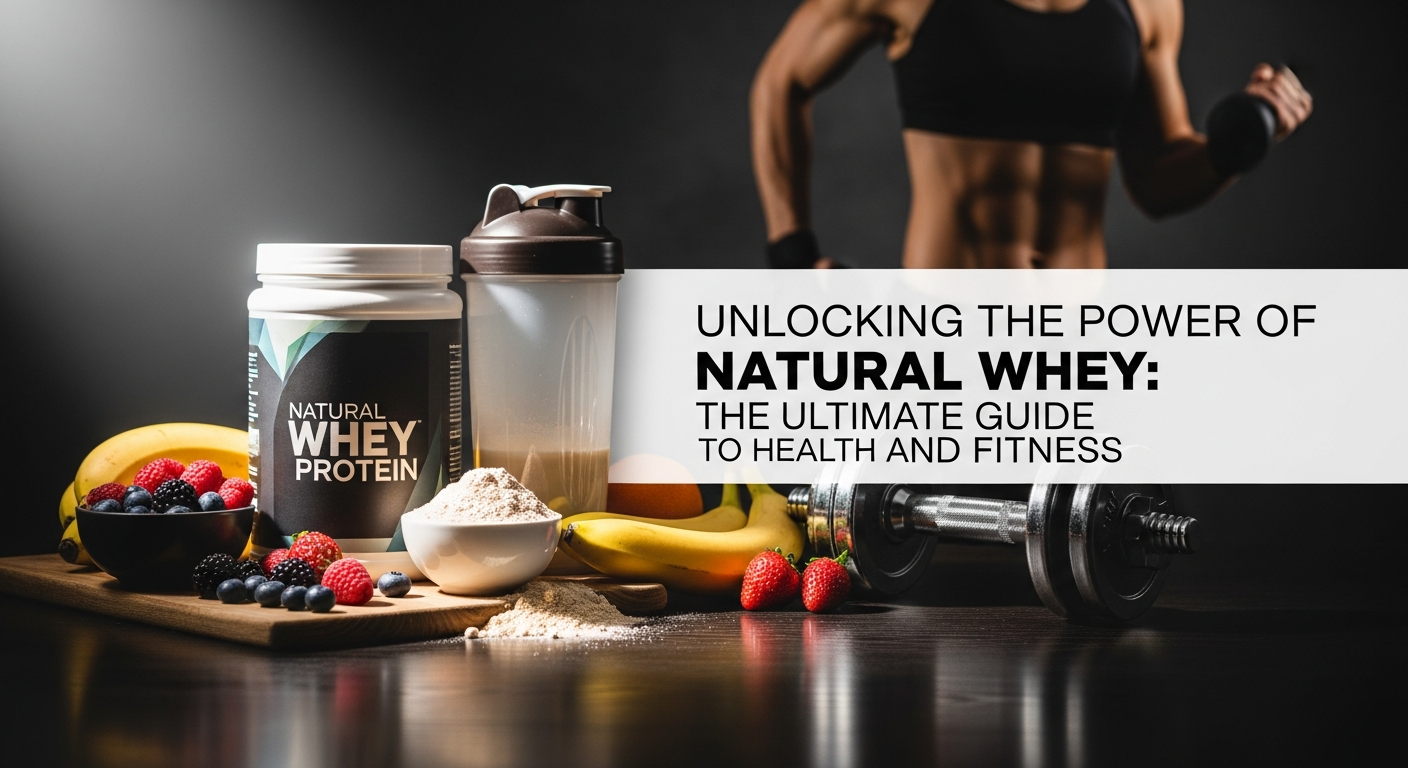
Unlocking the Power of Natural Whey: The Ultimate Guide to Health and Fitness
Natural Whey is a very clean protein that comes from milk (whey) and sports many qualities, including high-quality protein source due to its purity/nutritional value & easy to digest. It also contains all essential amino acids, calcium & bio-active nutrients as well as supporting athletic muscle recovery, strength and overall health and wellness. Generally, Natural Whey provides you with cleaner alternatives to some of the heavily processed protein supplements available on the market.
One major benefit of using whey protein is its fast absorption. The body can utilize the amino acids very quickly and allow the use of these for muscle tissue repair, as well as the energy needed for daily living. Natural Whey is commonly used by those involved in fitness, serious athletes, and those that are health-conscious who want effective nutritional supplements without excessive additives. Natural Whey aids in building lean muscle, helping with metabolic function, and recovering faster post-exercise.
Natural Whey protein can easily be added to most of the foods you eat each day, ranging from smoothies or shakes to other healthy recipes. Regardless of your specific goals (improved fitness level, weight management, or a balanced diet) Natural Whey is a simple means to significantly enhance your natural health journey.
What is Natural Whey and Why It Matters
Natural whey comes from the process of making cheese and is a pure source of protein. It’s an excellent source of nutrition because it is easy-to-digest, has a complete amino acid profile, and produces rapid recovery for muscles.
Whey protein is considered superior to most other protein sources because the protein from whey is rapidly absorbed and provides benefits for building muscle faster than any other protein source. The cleaner and more natural you can obtain whey, the better the digestion, nutrient absorption, and long-term health results you will achieve.
Natural Whey Protein Explained Simply
Natural whey protein is the substance left over after the curds have been separated from the whey upon straining milk for cheese. After being purified (filtration) and dried, it can be consumed as a powder. It contains branched chain amino acids and is therefore a complete source of body-building nutrients, making it an ideal protein supplement.
Advantages:
- Contains branched chain amino acids (BCAAs) for muscle recovery
- Provides rapid absorption following workouts
- Contributes to lean muscle gains
- Provides simple and convenient means to achieve a daily protein intake goal
- Easily mixes into shakes or smoothies

Pure vs Processed Whey: Key Differences
Whey products are not all identical; some are minimally processed, while others contain added sugars, fillers, or other ingredients.
Pure / Natural Whey:
- Contains fewer additives
- Contains a more transparent ingredient label
- Has less interference to taste and nutrition
- Often easier to digest
Highly Processed Whey:
- Has added sugars
- Has artificial colors and/or sweeteners
- Has less protein than other blends
- Contains fillers or gums that add bulk to the product

Why Choosing Natural Whey Makes a Difference
Opting for natural whey can contribute to a healthy daily diet because higher quality will help ensure the best absorption and contain fewer artificial additives.
Reasons to be Concerned:
- Improving Muscle Tissue Recovery
- Helping Maintain a Leaner Body
- Decreasing your Total Sugar Intake
- Better for Everyday Use
- Cleansing Alternative for the Health Conscious
The Nutritional Advantages of Natural Whey
Natural Whey is one of the best sources of protein for promoting strength, recovery, and day-to-day nutrition. It has a complete amino acid profile, quickly digesting nutrients, and naturally occurring compounds that aid the body's recovery and perform better. People who are looking to compare Whey Protein against other proteins often choose Natural Whey due to its quality, convenience and outstanding results.
High-Quality Protein and Amino Acid Profile
A key strength of natural whey protein is its high-quality protein and it has all nine complete amino acids that your body cannot make on its own!
Benefits:
- Is a complete protein
- Contains branched chain amino acids including leucine, isoleucine and valine
- Aids with repairing muscle and developing lean body mass
- Aids with maintaining strength while reducing caloric intake
- Is designed for active and older adults

Bioavailability and Easy Absorption
Bioavailability refers to the efficacy that your body digests and employs the nutrition from food. Whey protein has a very high bioavailability as a result of its high-quality protein source; therefore, it is an excellent source for both post-workout nutrition and on-the-go nutrition.
Why Bioavailability Matters:
- Rapid protein digestion and absorption into your bloodstream
- Immediate delivery of amino acids to your muscles for repair
- Reduces recovery time after physical activity by providing your muscles with additional nutrients
- Much lighter feeling compared to whole-food meals containing protein
- Convenient option for daily use

Clean Protein Source for Daily Nutrition
Natural whey protein powder should be selected carefully to avoid added sugars or fillers. When selecting a protein powder, if you choose a clean formula with few additives, then it becomes a valuable daily supplemental product for those who wish to increase their protein intake while avoiding excess sugar and unnecessary fillers.
Benefits of Daily Supplementation with Whey Protein Powder:
- Convenient way to meet protein needs everyday.
- Helps you stay full between meals.
- Great for adding to smoothies, oatmeal, yogurt and snacks!
- Perfect supplement for people who have busy lifestyles!
How Natural Whey Supports Muscle Growth and Recovery
Whey protein is one of the best muscle-building & recovery supplements available due to its high amount of protein delivered in a rapidly digested manner. It also provides your muscles with all seven essential amino acids quickly after a workout to repair damaged muscle fibres, helping to stimulate lean muscle development. Because of this rapid absorption rate, whey protein is often the first preference for many athletes & bodybuilders when compared to other types of protein sources (e.g., soy, pea, etc.).
Role in Muscle Building and Repair
Resistance training results in small muscle fiber tears and requires protein for recovery by rebuilding those damaged areas. Natural Whey Protein supplies your body with the building blocks necessary for this repair process.
Benefits:
- Assists with promoting lean muscle growth
- Helps repair damage to muscles caused by/exercise
- Helps to maintain muscle when losing body fat
- Helps recover between exercise sessions
- Allows you to meet total daily protein needs easily and efficiently

Post-Workout Recovery Benefits
Whey protein is an ideal nutritional supplement during the post-exercise period due to the ability of muscle tissue to rapidly absorb dietary nutrients after completing a workout. By delivering amino acids quickly, whey protein helps to kick start the recovery process following your workout.
Benefits of Post Workout Nutrition:
- Provides fast recovery from high intensity exercise
- Decreases muscle soreness
- Helps efficiently restore protein stores
- Aids in maintaining consistent training performance
- Easy to consume due to low levels of appetite after exercise

BCAAs and Muscle Synthesis
BCAAs (Branched-chain amino acids) are critical to muscle growth and repair, and high concentrations of BCAAs (leucine, isoleucine, valine) are found in whey protein.
Here are some reasons why BCAAs are valuable:
- Leucine assists in the activation of muscle protein synthesis.
- Isoleucine aids in endurance and energy utilization.
- Valine promotes tissue recovery and repair.
Additionally, BCAAs found in whey protein can provide the following benefits:
- Speed up the rate of recovery for muscles
- Decrease the loss of muscle
- Promote adaptations to training
- Be beneficial while in a calorie deficit or under high training loads
The Role of Natural Whey in Weight Management and Satiety
Individuals trying to control body weight but also maintain muscle and energy will find that natural whey has many advantages. Since whey protein contains abundant amounts of high-quality amino acids, digests easily, and keeps you satisfied longer than other proteins, it helps maintain lean muscle while dieting.
There is some comparison between whey protein and other sources of protein regarding satisfaction level, convenience, and muscle maintenance, but overall whey seems to be the most preferred choice with regard to those factors.
Appetite Control and Satiety Benefits
Whey protein makes you feel full after meals/snacks because it can help reduce cravings for food, thus limiting overeating.
Benefits:
- Feeling full longer.
- Reducing the number of times you snack between meals.
- Helping control how much you eat each time you eat (portion control).
- Easily adding protein to a meal when rushed/running late.
- Maintaining healthy nutrition habits on a regular basis (protein).

Boosting Metabolism with Protein Intake
Digestion of protein uses more energy than digesting carbohydrates or fats, which lead to a small increase in the daily calorie expenditure. Additionally, maintaining muscle mass will help maintain a healthy metabolism.
How Protein Helps:
- Supports retention of lean muscle
- Maintains metabolic rate at rest
- Improves body composition
- Beneficial in times of caloric deficit
Supporting Healthy Weight Loss Goals
Maintaining muscle while controlling hunger is essential for long-lasting weight loss success; whey protein accomplishes both of these objectives.
Common Uses of Whey Protein:
- Add to breakfast to boost protein intake
- Use as a recovery beverage after exercising
- Replace snacks with whey protein-based foods
- Enhance protein content in oatmeal or yogurt or smoothies.
Whey protein supports healthy weight management by:
- Preserving lean muscle mass
- Promoting feelings of fullness (satiety)
- Aiding in recovery after exercise
- Helping to manage caloric intake.
Comparing Natural Whey with Processed Protein Supplements
Protein powders vary considerably by style and whether they are made to be very pure or have lots of fillers, sweeteners or other additives. Understanding how different products compare can be helpful when making a decision about which type of protein to purchase. From a conversation standpoint, there is a lot out there to be said about the quality of a given product versus its type (i.e., whey versus other proteins).
When measuring the quality of whey protein against other protein types, the majority of natural whey products will place a strong emphasis on offering a "clean" formula with the least amount of additional, unnecessary items whereas many heavily processed proteins will place great emphasis on either flavour or shelf appeal.
Natural vs Processed Whey: What to Know
Whey Is Natural:
- Few ingredients
- Greater protein purity
- More easily digestible
- Cleaner nutritional profile
Whey Is Processed:
- Contains gums, fillers or sweeteners
- More flavourful, textured
- Protein quality varies
- May have greater sugar and carb ratios

Additives and Artificial Ingredients in Processed Whey
Many powdered products sold commercially have ingredients added to provide a certain flavor, texture or an increased shelf life.
Some possible added ingredients:
- Artificial sweeteners
- Artificial colors and flavorings
- Gums used to make products thicker
- Blends made using excess sugar
- Low-grade fillers.
Clean Label vs Commercial Protein Powders
Generally speaking, a clean label item will have known products, a controlled level of quality, and an easy understanding of the nutritional content of the product.
Checklist for Clean Label:
- A high protein content/serving
- Low sugar content
- Transparency (known sources)
- Few fillers
- Trusted supplier standards
Selecting the Best Natural Whey Products: What to Look For
Selecting a quality whey protein source should be a top priority when improving your diet and athletic abilities. Many protein powders can appear to be the same when buying but differ greatly in quality as a result of where they come from, how they are made, and what other additives were added during the manufacturing process. Whey protein is always going to outperform many other forms of protein when the whey protein is made from high quality raw materials.
A good buyer should look past just the flavor and price tag of the whey product and instead determine the level of ingredient / source transparency, the total amount of protein in the product, how easy the product will be for the consumer to digest and the overall reputation of the brand.
Grass-Fed and Organic Whey Protein
Consumers that choose to buy organic and/or grass fed whey often do so based upon their desire for cleaner sources of protein as well as for these attributes.
Benefits of organic and/or grass fed whey include:
- Generally more stringent sourcing practices
- Fewer residuals on average
- Higher quality in regards to protein
- Health & wellness oriented consumer demographic

Non-GMO and Clean Label Options
Clean label whey products are designed to be simple and transparent. Here’s what to look for:
Short list of ingredients
- High amount of protein in each serving
- Low amount of added sugars
- No unnecessary fillers
- Clearly listed nutrition information

Cold-Processed Whey for Maximum Nutrients
Cold processing of whey protein isolate could be seen as a more delicate method of processing to maintain the integrity of protein.
Some possible advantages include:
- Less heat exposure during the production process;
- Good integrity of the protein;
- More popular with premium customers; and
- Ideal for fitness-oriented consumers.
Easy Ways to Incorporate Natural Whey into Your Diet
Whey protein is very simple to incorporate into even your daily routines. Regardless of what you are trying to accomplish with your fitness goals – muscle gain, recovery, or healthy eating – there are so many different ways that you can include natural whey in various meals or snacks that will help you realize those goals.
When compared against some of the other options on the protein versus whey protein spectrum, whey appears to be the most convenient because of how quickly it will dissolve into a shake and how versatile the taste of whey is in combination with other foods or beverages.
Smoothies and Shakes with Natural Whey
Whey is most commonly used in shakes/smoothies, making it one of the easiest ways to use whey.
Here are some easy ideas:
- Banana + Whey + Milk/Water
- Berry Smoothie with Greek Yogurt
- Oats and Whey Breakfast Shake
- Coffee Protein Shake

Cooking and Baking with Whey Protein
Natural whey can also be added to foods.
Popular Uses:
- Pancakes
- Oatmeal
- Protein muffins
- Yogurt bowls
- Energy bites
Post-Workout and Daily Nutrition Tips
Consistency matters more than timing perfection. Whey can be useful after workouts or anytime protein intake is low.
Best Daily Uses:
- Post-workout recovery shake
- Midday hunger control snack
- Breakfast protein boost
- Evening protein top-up

FAQ
Q1-What is natural whey protein?
Natural whey protein is a minimally processed protein derived from milk with fewer additives and a clean nutrient profile.
Q2-Is natural whey better than regular whey protein?
Natural whey is often preferred for cleaner ingredients, while regular whey may contain added flavors or fillers.
Q3-Can natural whey help with weight loss?
Yes, natural whey can support weight loss by increasing satiety and helping preserve lean muscle mass.
Q4-Is natural whey protein good for muscle building?
Yes, it provides complete protein and essential amino acids that support muscle growth and recovery.
Q5-How do I choose the best natural whey product?
Choose a product with high protein content, low sugar, clean ingredients, and a trusted brand reputation.
Conclusion: Embrace Natural Whey Today to Elevate Your Health and Fitness Journey
Natural whey nutrition is a great choice for individuals who want to enhance their strength, recovery, and overall health by consuming healthier food. Natural whey protein has a full amino acid profile, is quickly absorbed into your system, and has the highest level of clean nutrient content of any type of protein source. Natural whey protein supports the muscle-building process and provides energy each day. In addition, it helps improve recovery from strenuous workouts by providing a convenient source of protein without the need for eating heavy meals or following complicated diet plans.
Compared to processed supplements, natural whey protein has fewer unnecessary ingredients, greater clarity of product, and is more naturally occurring. Anyone trying to achieve long-term health, manage their weight, and consistently develop their fitness level could benefit from using a quality, natural whey protein in their daily routines, including mixing it into smoothies, shakes, or meals; all of which work well within the current lifestyles of today's people.
Ultimately, the most critical factor for success is consistency, with good choices being made consistently. The addition of high-quality, natural whey protein to your daily routine supports your body’s need for reliable nutrition and will help you become even more confident in the pursuit of your health-related fitness goals.