
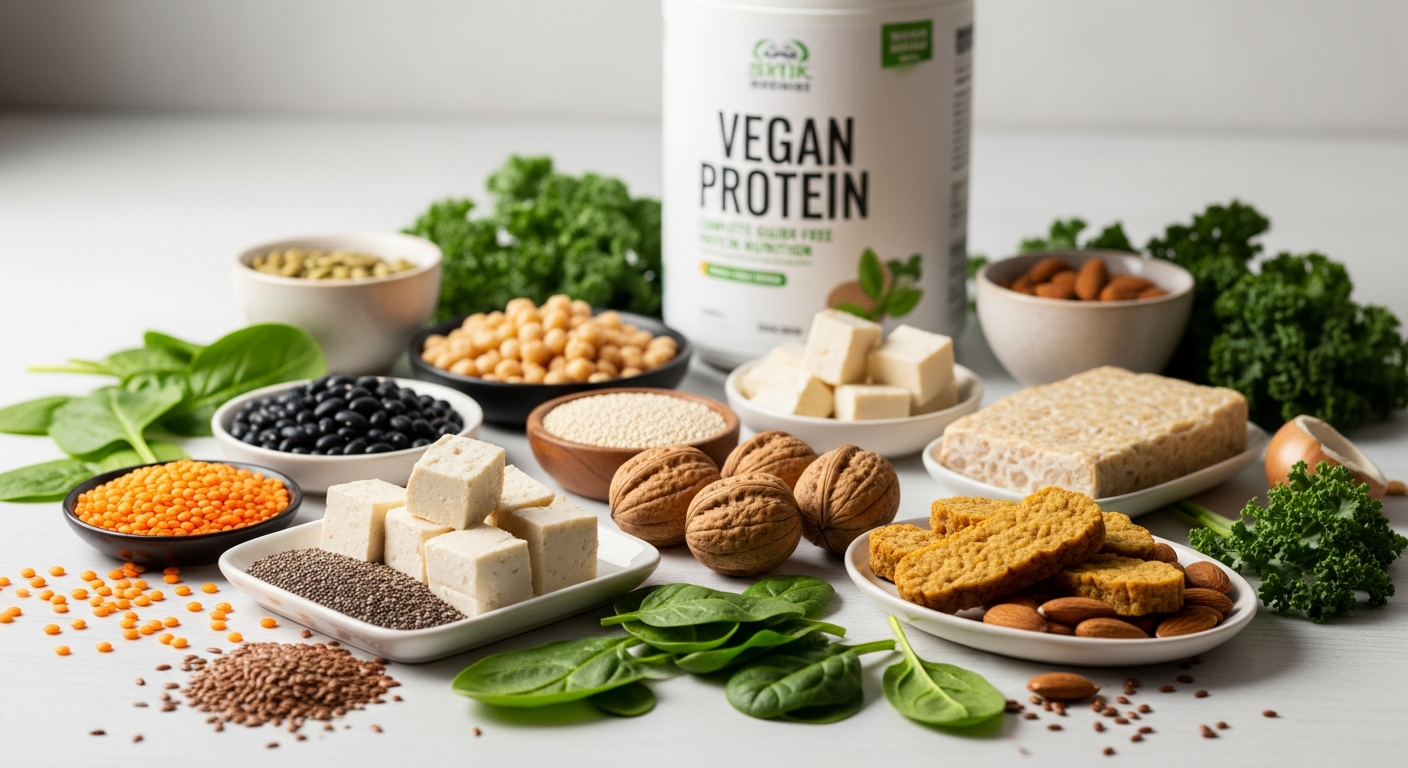
Vegan-friendly Alternatives To Whey Protein Are Now Available As Protein Supplements Created To Provide The Athlete And Fitness Enthusiast Same Daily Nutritional And Fitness Needs As Those Obtained From Dairy-Based Protein Products Through Plant-based Protein Sources Instead.
Vegan-Friendly Options Contain Essential Amino Acids, Fiber, Etc., As Well As Other Natural Micronutrients, All Easily Digestible And Not Harsh On The Stomach; Therefore, Anyone Looking To Follow A Dairy-Free Diet Will Find These Options An Excellent Source Of Nutritional Value.
There Are A Wide Variety Of Vegan-Friendly Whey Protein Oil Alternatives To Choose From; From Pea/Rice Mixes To Soy-based Whey Protein Products—Every Scoop Contains Clean Plants And Offers Plant-Based Performance Benefits—Strength, Recovery, And Wellness!
Understanding Whey Protein and Why Vegans Avoid It
Whey protein is a well-known protein supplement among athletes and bodybuilders alike. But it is not for everyone; in fact, vegans should avoid it. Even though whey protein is packed with many nutritional and health advantages, its origins in cow’s milk create ethical and dietary issues for those who follow a plant-based diet. Thus, when we say “whey protein for vegans”, we generally refer to plant-based alternatives to traditional whey protein.
What Is Whey Protein and How Whey Protein Powder Is Made
Whey Protein is classified as a protein supplement and is obtained from dairy products by separating the liquid from solids during the cheese-making process. The liquid is subsequently filtered, pasteurized, and dehydrated to produce whey protein powder.
- Derived from cow's milk (animal source protein)
- Contains all essential amino acids
- Whey Protein is a common ingredient in muscle-building dietary supplements.
Whey Protein is considered a non-vegan protein due to its dairy source despite being an excellent source of nutrients.
Health and Fitness Benefits of Whey Protein
Whey protein has become a popular choice among many people, from athletes to those who work out at home or at a gym because it absorbs quickly and helps with muscle recovery. Its popularity among athletes and those who work out stems from the benefits that it provides cheese.
- Promotes the Development of Muscle Tissue
- Supports Daily Protein Needs
- Assists with Recovery After Workouts
Although many people enjoy using whey protein for its benefits, many vegans opt for plant-based protein sources, which provide similar benefits, without using whey protein that has been derived from animals.
Ethical and Dietary Reasons Vegans Avoid Whey Protein
Many vegans have dietary restrictions related to their use of whey protein because it comes from the dairy industry and can potentially cause animal exploitation and cruelty to animals. Veganism/vegetarianism supports cruelty-free, sustainable, and plant-based nutrition.
Whey is a Byproduct of Dairy Farming
- Dairy Farming Contradicts Vegan Ethical Principles
- Sensitivities to Dairy and/or Lactose and Dairy May Contribute to the Decision Not to Consume Whey Protein.
- For this reason, many vegans view whey protein to be synonymous with pea, rice, soy and blended proteins that provide a similar amino acid profile as whey protein.

Is Whey Protein for Vegans Possible? Myth vs Reality
As with the milled whole grains of the Millets category, there are a large number of different types of protein that have been developed to meet a variety of dietary requirements. As an example, when a person is searching for "Vegan Whey Protein",
There is a confusion within the community of Vegans as to whether or not Whey Protein is really a vegan product. The distinction between Traditional Whey Products and the Plant-Based Products that are available today helps to dispel this myth and gives the Vegan consumer the ability to feel comfortable with their choice of Whey Protein powder alternatives.
Is Whey Protein Vegan or Plant-Based?
Traditional whey protein is a by-product of milk made during cheese production, so because it comes from an animal, it is not considered vegan.
- Whey protein contains protein found in milk
- Whey protein is not vegan-friendly for people following strict vegan diets.
- Now there are many companies using "vegan whey" to describe protein blends made from plants that have protein profiles similar to whey.
Why Traditional Whey Protein Powder Isn’t Vegan
Conventional whey powder is made from cow's milk, so it is not suitable for vegans. Even if the whey has undergone a highly purifying process to extract the whey, it originates from dairy.
- Whey contains protein found in milk,
- Whey protein does not follow the vegan lifestyle.
- Contains protein from dairy, making it unavailable for those with dairy allergies.
For this reason, anyone who follows the vegan lifestyle should avoid classic whey, and instead select non-dairy sources of protein.
When Vegans Search for Whey Protein Alternatives
Vegans typically want a substitute for whey that offers them the advantages of the whey (high protein content, ease of digestion, and muscle recovery) without the use of dairy.
- Examples of plant-sourced proteins include pea protein, rice protein, soy protein, or combinations of these three.
- These products can also be supplemented with the essential amino acids.
- These products are designed to replicate the benefits of whey protein.
Many companies have marketed their products as vegan-friendly whey protein although they do not actually contain dairy/whey proteins.

Best Plant-Based Alternatives to Whey Protein for Vegans
Like millets, which come in different varieties and stages of growth, many alternatives to cow’s milk-based whey protein are available to vegans and provide excellent nutrition. All plant-based options are free from dairy products, easy to digest and contain all the nutrients necessary to help with muscle recovery, build strength, and maintain daily health.
The best alternatives to whey protein powder for vegans provide plant-based proteins that are clean and effective sources of protein without the use of animal products.
Pea Protein as a Whey Protein Replacement
Pea protein is probably one of the most popular vegan replacements for whey protein.
Made from yellow split peas, pea protein naturally contains all essential amino acids.
- Contains high amounts of protein and iron
- Can be easily digested and is gentle on the digestive system
- Promotes muscle growth and support for recovery
Due to its neutral flavour and smooth texture, pea protein can be considered a replacement for traditional whey protein powders in post-workout protein shakes.
Soy Protein Isolate vs Whey Protein Powder
It's important to first define “complete” vegan proteins. Complete vegan proteins contain all nine essential amino acids (the building blocks of protein) that your body needs but cannot make on its own. Soy protein isolate, like whey protein powder, is a complete vegan source of protein.
- Both soy protein isolate and whey protein powder are two of the most comparable plant proteins available.
- Soy protein isolate is a safe choice for bodybuilders looking to build muscle and gain strength.
- If you’re an athlete who follows a strict vegan diet,
Soy-based proteins can serve as a good substitute for whey-based proteins when it comes to achieving performance oriented nutrition.
Rice, Hemp, and Mixed Plant Proteins
Rice protein is used in combination with other plant-based proteins to balance amino acids in a way that achieves a complete protein without the use of dairy.
- Rice protein is also light and contains no allergens.
- Hemp protein also has the added benefit of providing both fiber and healthy fats.
- Plant-based protein blends of these types are balanced
provide all of the amino acids needed to achieve balanced nutrition for vegans looking for a wide-ranging variety of options and flexibility in replacing whey protein sources.

Nutritional Comparison: Whey Protein vs Vegan Protein Powders
Similar to how there are numerous varieties of millet to support the dietary, digestion and growth of infants, there is also a broad selection of protein powders that provide differing nutrition according to individual dietary restrictions and needs. While traditional whey protein comes from animals, vegan whey protein is derived entirely from plants to provide similar benefits, without animal products.
Amino Acid Profile of Whey Protein vs Plant Proteins
Whey is a complete protein containing all 9 essential amino acids. Plant-based protein powders are typically a blend of multiple plant sources, to ensure that the amino acids found in whey are also present in adequate amounts.
- BCAAs (Branched Chains of Amino Acids) are naturally abundant in whey.
- Vegan protein powders typically combine pea, rice, soy, and quinoa.
- As a result of careful formulation, well-formulated vegan protein powders contain an adequate supply of daily amino acids required for healthy muscle growth and repair.
A combination of carefully selected plants will provide vegans with comparable balanced nutrition to traditional whey.
Digestibility and Absorption in Vegan Proteins
Digestibility has a large impact on how effective a protein source is for muscle recovery.
- Whey protein digests rapidly, while many plant-based protein powders are designed to help prevent digestive issues.
- Plant-based proteins are also naturally lactose free, therefore, they are easier to digest for individuals who may have difficulty consuming dairy.
- People may also find plant-based proteins easier to ingest if they experience bloating or other digestive discomfort from dairy products.
Can Vegans Build Muscle Without Whey Protein?
It's entirely possible for vegans to build muscle without using traditional whey protein.
- For vegans, total protein intake, the balance of amino acids in the diet, and consistency of consumption are the most important factors.
- Consuming the right amount of protein is critical for building muscle tissue.
- Participating in strength training is the trigger for muscle development.
By using well formulated vegan protein powders, a vegan can recover from Strength Training workouts as quickly as possible.

How to Choose the Right Vegan Protein Powder
It is important to choose a plant-based protein that satisfies both your daily protein requirements and your dietary restrictions as a vegan (for example, no dairy). As with any dietary supplement, when choosing a whey protein, you want to make sure it meets your dietary requirements and contains all of the essential amino acids your body needs.
When selecting a vegan whey protein, you should consider factors such as a clean label and its ability to fit into various types of exercise and nutrition programs.
Clean Label and Ingredient Transparency
Clean labels are an indication of transparency and allow you to see exactly how many calories are included in each shake. In general, vegan whey protein supplements made with quality ingredients are made from a small number of natural ingredients:
- Protein Sources Should Be Clearly Identified On The Label (Pea Protein, Brown Rice Protein, Soy Protein, etc.)
- Free From Artificial Colours, Preservatives or Fillers
- The Nutrition Category Is Clearly Marked And Accurate As To The Exact Amount Of Protein Per Serving
Just as simple grains are best for babies, the least complicated your protein source, the better it is for your body.
Allergen-Free and Non-GMO Vegan Proteins
Many people who are vegan use whey protein for various reasons – either due to dairy allergies/sensitivity or ethical reasons Choosing allergen-free and Non-GMO vegan proteins will allow you to avoid having to deal with unwanted reactions.
- Allergen-Free means that there is no dairy, gluten or common allergens present in that particular vegan protein
- There are Non-GMO and Soy-Free options
- A vegan protein option that is also suitable for sensitive stomachs as well as for someone who believes in clean eating
Please be sure to read all labels carefully if you have allergies since not all vegan whey protein alternatives are the same.
Taste, Texture, and Mixability Factors
Taste and texture are important factors in terms of taste and texture consistency and daily use.
- A well made vegan whey protein powder will be smooth and not have any gritty texture when blended.
- The flavor should be mild or neutral so that when it is mixed with water/plant milk there will be no strong flavor
- To ensure that we continue to use our protein on a regular basis a vegan whey protein that has better mixability is key.

How to Use Vegan Protein Instead of Whey Protein
While there are several varieties of millet available that provide different digestion and growth options, vegan protein products can also be used by individuals who wish to avoid dairy. Plant proteins are viable substitutes for whey protein for those interested in using them in shakes, meals and food preparation, and still provide many of the same benefits as whey protein powder, but do not include any animal-based ingredients.
Vegan Post-Workout Shakes Without Whey Protein\
Vegan post workout shakes can be an effective alternative to traditional whey protein shakes. Vegan post workout shakes are effective for muscle recovery, energy replenishment and muscle repair through the use of plant based protein sources.
- Use a blend of pea, rice and/or soy proteins to provide a full amino acid profile.
- Absorbed effectively when used with fruit or plant milk.
- Gentler to the digestive system and suitable for the lactose-intolerant population.
In addition, when combined with correct nutrition and timing, vegan protein shakes are equal in effectiveness to whey protein powder.
Vegan Protein Smoothies and Daily Meals
Smoothies and everyday meals (with vegan protein) provide an effortless way to include vegan protein in your daily diet. Vegans choosing to switch from whey protein to vegan protein would benefit from the convenience this option offers.
- Vegan protein powder can easily blend into smoothies. It mixes well with bananas, oats, nut butters and/or seeds.
- Add vegan protein to your breakfast bowls, porridges or smoothies.
- Provides a convenient way to meet the protein needs of vegans without the need for dairy products.
Complementary to its mild taste and smooth texture, it incorporates nicely with daily meal preparations.
Cooking and Baking with Vegan Protein Powder
Vegan protein powder is more than just a shake ingredient; it can also be used in baking and cooking. Vegan protein powder retains the integrity and nutrition of food when added to cooking/baking, without detracting from the overall flavor.
- Add it to your pancakes, muffins and/or protein bars.
- Add it to soups and/or sauces to boost protein.
- It can be used as a small quantity substitute for flour.
For these reasons, vegan protein is an excellent option to use in place of traditional whey protein powders.

FAQs:
Q1. Is whey protein for vegans available?
Traditional whey protein is not vegan, but plant-based alternatives are available for vegan diets.
Q2. Why is whey protein powder not vegan-friendly?
Whey protein powder is derived from milk, which is an animal product.
Q3. What is the best alternative to whey protein for vegans?
Pea, rice, soy, or blended plant proteins are the best vegan alternatives to whey protein.
Q4. Can vegan protein replace whey protein for muscle gain?
Yes, vegan protein can support muscle gain when consumed in adequate amounts.
Q5. Does vegan protein digest better than whey protein?
Vegan protein is often easier to digest, especially for people sensitive to dairy or lactose.
Conclusion: Why Whey Protein Alternatives Are Better for Vegans
For vegans, there are many clean, ethical and dairy-free alternatives to Whey Protein source to ensure they have the daily amount of protein required by their diet. In contrast, Whey Protein is derived from cow's milk, therefore plant-based proteins such as Peas, Rice, and Soy can provide an alternative way of obtaining protein without compromising their nutritional values.
The use of Plant-Based Proteins also includes all essential amino acids necessary for muscle repair/recovery and are much easier to digest compared to animal-sourced protein.
Choosing Plant-Based Proteins as an alternative to Whey Protein supports long-term health and sustainability as Plant-Based Protein Powders do not contain Lactose, they are very gentle on the digestive system, and they complement a Cruelty-Free way of living.


 +91 63528 07487

 225, Orchid Plaza, Sama-Savli Rd,
behind mc donald's, Vemali,
Vadodara, Gujarat, India 390008
225, Orchid Plaza, Sama-Savli Rd,
behind mc donald's, Vemali,
Vadodara, Gujarat, India 390008