

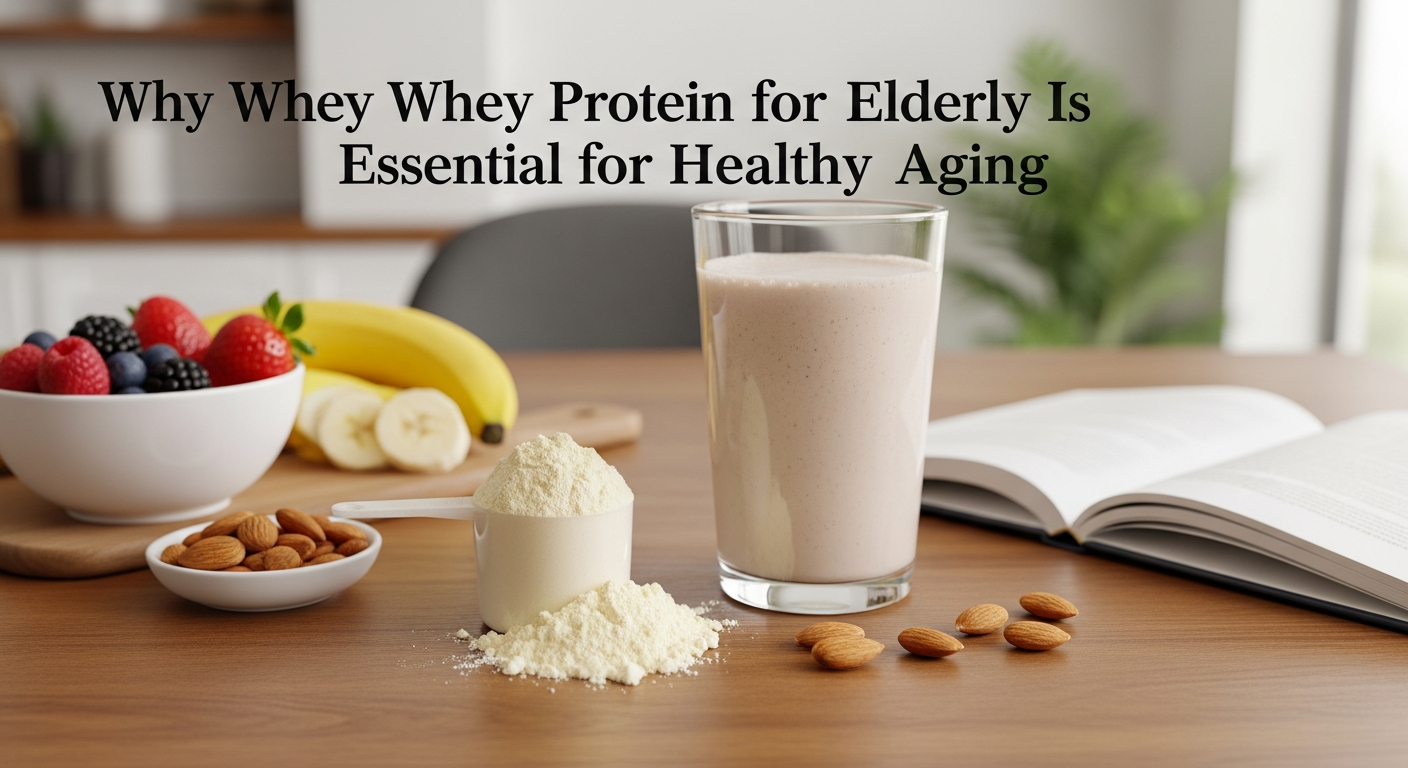
Whey protein is an excellent nutritional supplement for older adults that supports overall health, strength, mobility, and wellness as they age. Whey protein contains high-quality proteins and amino acids particularly the "essential" amino acids, as well as plenty of calcium and other important nutrients and is suitable for meeting the increasing protein requirements of older adults. Whey protein is also very easily digested and is gentle on the stomach.
As we age, muscle loss and loss of strength become a significant issue for many people. Consuming whey protein powder regularly can reduce muscle loss due to aging, increase bone strength, and provide increased energy levels throughout the day. Whey protein absorbs quickly into the body and therefore efficiently provides the nutrients needed, making it a great supplement for seniors who are not able to eat enough food to meet their protein requirements.
Whey protein can be added to daily meals in many different forms, including shakes, smoothies, hot drinks, and any cool or warm food that uses whey protein as a nutritional ingredient. Each serving provides nourishment to support healthy aging, maintain independence and improve the quality of life.
The Importance of Protein Intake in Older Adults
Aging causes various biological changes to our bodies which cause the use of proteins to not only be seen as a nutrient for building muscle, but also as a vital component for maintaining independence and living longer. Research shows that nearly three-quarters (71%) of the elderly do not get enough protein, which negatively impacts physical decline.
As people get older, protein is an important nutrient in helping them stay healthy and strong and maintain independence. Just like baby cereals help infants grow at different stages, a senior's body needs adequate amounts of protein for healthy aging.
Protein Needs for Seniors and Aging Bodies
As a person gets older, their body's ability to absorb and utilize protein decreases. This will naturally increase their average protein needs compared to younger people.
- Providing muscle support and tissue replacement
- Increasing immunity and recovery rate
- Providing a nutritional source of protein when the person has a poor appetite
Whey protein powders provide an easy way for older adults to obtain adequate amounts of protein, which allows them to meet protein requirements without putting themselves at risk of having to eat large portions of food.
Understanding Sarcopenia and Muscle Loss with Age
Sarcopenia is a natural process in which muscle mass and strength diminish as we age. Due to insufficient Protein Intake (PI), people experience sarcopenia to a greater degree and eventually lose the ability to perform daily functioning.
- Resulting in a decrease in strength and ability to maintain balance,
- increasing a person's chance of sustaining an injury from falling,
- affects a person’s ability to live a good quality of life.
A daily consumption of whey protein contains many amino acids necessary to slow down the rate of muscle loss and retain strength.
Role of Protein in Strength, Mobility, and Energy
Protein is one of the main components that assists seniors in remaining active, mobile, and energized. Protein helps maintain muscle function, joint motion, and overall endurance.
- It improves one's ability to walk and balance.
- It allows an individual to perform daily tasks without assistance.
- It supports energy levels and helps reduce tiredness.
Consuming whey protein daily supports the elderly in enhancing mobility and independence over an extended period of time.

What Is Whey Protein and How Does It Benefit Seniors?
Just like how millet provides baby food with targeted nutrients at various stages of growth, whey protein supports older adults through built-in nutrients focused on strength, mobility, healthy dieting...etc. Whey is easily absorbed by older adults and is quick to assimilate into their body... And therefore, whey protein supplements the ability to consume high-quality protein at the age they need to do so.
Whey Protein Explained in Simple Terms
Milk is used to make whey protein (a byproduct of cheese production), which comes from an animal source.
- As a complete protein, whey contains all of the essential amino acids the human body requires.
- The use of whey supports muscle recovery and upkeep
- It is easy to satisfy one's daily protein requirements through the consumption of whey on a regular basis.
Whey protein can be consumed as a powder so that it is readily available to athletes for convenience.Because of its smoothness, whey can easily be incorporated into all types of foods eaten by older adults.
Why Whey Protein Is Easy to Digest for Elderly Adults
As we get older, our digestion slows down; therefore, it becomes essential to select a protein source that is easy on your stomach.
- The primary reason why Whey Protein is recommended for elderly adults is that it is light and easily digested.
- Compared to other sources of protein, Whey Protein will be broken down more rapidly.
- If Whey Protein is used at the right amount and correct timing, it may reduce the possibility of bloating or discomfort.
Because of these facts, Whey Protein should be considered as an option for seniors who may not have a good appetite or who have a hard time chewing their food.
Amino Acids and Bioavailability Benefits
Whey protein has a high content of essential amino acids including leucine, which supports the health of muscle tissue.
- Due to its high level of bioavailability,
- whey protein provides the body with the ability to absorb and utilize nutrients from the protein efficiently
- Thus it helps to maintain muscle strength and increase the amount of movement that can occur.
Whey protein also helps to prevent the occurrence of sarcopenia resulting from muscle loss due to aging.
Whey protein can help with the recovery process and provide energy for daily activities, and due to its high bioavailability, smaller servings can provide greater benefit.

Top Health Benefits of Whey Protein for Elderly People
With age, one should focus on preserving one's body through preserving as much as possible: Stronger immune systems, improved strength, better well-being and much more. For the elderly, whey protein (sometimes referred to as Whey protein powder) provides these vital nutrients in a form that's digestible, quickly delivered into the body, with optimal health benefits for seniors. From supporting muscle mass to supporting immune health and balanced body weight, using whey protein powder keeps seniors healthy and independent.
Muscle Strength and Maintenance in Seniors
Sarcopenia, the loss of muscle mass due to the aging process, is common among seniors. As a result, seniors may not have enough muscle strength to perform their daily activities with ease. High concentrations of amino acids found in whey protein are a great source of protein for elderly individuals in order to maintain and repair muscle tissue after exercise.
- Supports physical recovery through muscle repair and maintenance
- Increases your muscle and overall strength for daily activities
- Decreases muscle loss due to aging
Whey protein is most effective for older adults due to its fast absorption; therefore, combine it with light exercise on a regular basis to receive maximum benefit from whey protein.
Bone Health and Fall Prevention
Whey Protein Powder, when consumed along with Calcium and Vitamin D, helps to support the healthy maintenance of bone density.
- Supports Maintaining Healthy Bone Strength
- Supports Healthy Joints and stability of joints
- Prevents Falling and Fracturing
Incorporating Whey Protein in Daily Nutrition assists Older Adults to Maintain Balance and Confidence in Movement.
Immune Support and Healthy Weight Management
Immune System Support and Weight Management Healthy Aging Immune system support and maintaining a healthy body weight is very important for healthy aging. Whey Protein supports healthy aging adults while assisting them in achieving their desired body weight safely.
- Bioactive components support increased immunity
- Maintain a healthy body weight
- Prevent muscle loss during the weight loss process
Whey protein's high degree of satiation makes it a wise food selection for older adults looking for balanced nutrition but without consuming excess calories.

How Much Whey Protein Do Seniors Need?
Similar to the introduction of millets, the recommendations for senior protein consumption are determined by how old the individual is, and what types of exercise they participate in and their overall health.
Whey protein for older adults supports muscle retention, provides energy, and helps the recovery process; therefore, it is important to know how much and when to consume to achieve optimal results without putting undue strain on the body.
Recommended Whey Protein Dosage for Elderly
The quantity of whey protein needed by seniors is based on how much you weigh, the type of foods you eat, and how much physical activity you engage in. Most seniors do best consuming a moderate, consistent quantity of whey protein every day rather than consuming large quantities all at once.
- A general guideline for most seniors is between 20-30 grams of whey protein powder daily
- Whey protein can be conveniently divided into small serving sizes for easy digestion
- Whey protein is beneficial for supporting the maintenance of your muscle mass and will help mitigate the impact of physical inactivity due to aging.
Begin with a lower daily quantity of whey protein and increase as needed, allowing the body sufficient time to adapt to a higher level of intake.
Daily Protein Intake Guidelines for Older Adults
As Older Adults get older, they cannot utilize food sources of protein as well as younger Adults, requiring a higher daily requirement.
To fulfil this extra requirement, Older Adults can benefit from high-quality food sources of protein, such as Whey Protein.
- For seniors, average protein intake for seniors is 1.0 to 1.2 grams (g) protein/kilogram (kg) of body weight.
- For active seniors, slightly higher amounts of protein may be required.
- Using Whey Protein as an addition to meals that are lower in protein will help provide an adequate source of protein for Older Adults.
Consuming an adequate amount of protein on a daily basis will help support mobility, immune function and general strength for Seniors.
When and How Often to Take Whey Protein
Timing of protein intake is critical for the body's ability to utilize protein. Thus, for Older Adults, the best way to consume protein is to spread out the amount of protein consumed throughout the day.
- In the Morning - Protein will support muscle strength and provide energy.
- After Meals or Following Exercising (Walking) - Protein will assist with recovery of muscle.
- At Night (Small dosages) - Protein will help decrease overnight muscle breakdown.
Using Whey Protein Powder mixed with Water or Milk is an easy way to consume Whey Protein without affecting the appetite of the individual.

How to Incorporate Whey Protein into an Elderly Diet Safely
For seniors, like young children, a gradual introduction to new foods is essential for optimal digestive development. Properly using and dose-whey protein powders correctly will not only provide increased energy but also support improved muscle recovery without gastrointestinal distress.
Adding Whey Protein Powder to Meals and Drinks
There are several ways to add whey to a senior person's diet as it is easily incorporated into many foods that a senior may already eat. These additions of whey ensure good nutrition without drastically changing the texture of the food and therefore, the senior is encouraged to eat more.
- Mix whey protein powder into warm water or milk
- Mix whey into cooked grains (e.g. porridge, oat cereals, soft cereal)
- Stir into soup or dal after allowing to cool slightly
Using this method to add whey protein powder gives a senior the benefits of whey without being too harsh on the digestive tract.
Smoothies and Soft Food Ideas for Seniors
Smooth and soft foods are the best options for older adults who have difficulty chewing and/or swallowing. Because senior adults can easily consume and digest whey protein when it is used in smoothies, seniors will be able to take advantage of the benefits associated with the use of whey protein supplements.
- Combine whey protein with bananas, soaked oats or yogurt for a nutritious meal
- Make custards or pudding high in protein
- Mix in mashed fruit or vegetable purees
All these options are nutritious and provide balanced nutrition while making meals fun and easy to eat.
Best Time to Take Whey Protein for Elderly
Seniors should take whey protein during the following times for the best results for their health and body to use.
- A morning dose of whey protein helps with daily strength and mobility.
- A dose of whey protein after a light workout will help build muscle after a workout.
- A dose of whey protein before bed will keep seniors' muscle mass intact while they are sleeping.
The most important thing for seniors starting a whey protein regimen is consistency and not quantity.

Choosing the Best Whey Protein Supplement for Older Adults
Similar to how different varieties of millets are chosen for babies at different stages of digestion and growth, it is important to carefully select the right type of whey protein to provide elderly adults with safe and effective nutrition. When selecting the right type of whey protein powder for the elderly, it is important to choose a product that is easy to digest, has low sugars, is gentle on the stomach, and helps support their daily energy needs, muscle strength, and bone health.
Whey Isolate vs Whey Concentrate for Elderly
Both whey isolates and whey concentrates are excellent sources of high-quality proteins; however, they differ in composition. For elderly individuals, the digestibility and purity of each type of protein will be very important factors.
- The main difference is that whey isolate contains significantly more protein with minimal fat and lactose.
- In comparison, whey concentrate contains slightly higher amounts of fat and lactose.
- In general, whey isolate tends to be the easiest for seniors to digest.
For this reason, whey isolate tends to be the most commonly used form of whey protein by seniors.
Low-Sugar, Easy-to-Digest Options
As people get older, their digestion slows so whey proteins that are low in sugar and low in additives are best for the aging population.
- A clean formula will help reduce bloating as well as avoid unnecessary calories.
- Choose: whey protein powder that is either unsweetened or slightly sweetened.
- Do not choose: whey protein powder that has artificial flavours, as well as foaming agents, thickening agents or colourings.
Good to know: Whey Protein Powders with low-sugar content allow for daily consumption of whey protein without affecting digestion and blood sugar levels.
Lactose Intolerance-Friendly Whey Protein Powder
For those who have lactose sensitivity issues, selecting a lactase enzyme "friendly" supplement provides a means to eliminate discomfort and unpleasantness from their diets.
- Lactose is very minimal in whey protein isolate.
- Recommending either enzyme-treated or Lactose-Free Protein Powders would be easier for seniors to digest.
- Both options help with gas buildup, bloated stomachs and abdominal irritation.
These two specific protein powders were designed with elderly nutrition in mind, and both options allow seniors the opportunity to reap the nutritional benefits of Whey Protein without any problems related to Digestion.

Addressing Concerns: Is Whey Protein Safe for the Elderly?
There are many factors that come into play, just like with fabricating food for a baby or small child, with how you select and use whey protein with seniors. However, as long as you take the time to choose a good source of whey protein and to take it according to the recommended serving size for your individual needs, whey protein should be perfectly safe for seniors to consume and should provide them with all of the nutrients necessary for maintaining muscle mass and developing muscle strength, health, longevity, and vitality.
Safety of Whey Protein in Aging Population
The overall safety of whey protein among seniors is one of the most important factors that should be considered when making decisions about what to feed seniors. Whey protein is one of the safest and easiest-to-digest forms of protein available and it will not only provide essential amino acids and other nutrients directly to the body, but will also allow your body to effectively absorb those nutrients without putting undue stress on your digestive organs.
- Helps Preserve Muscles and Muscle Strength in the Elderly
- Easily Digestible, compared with Many Whole Foods Protein Sources
- Provides Daily Protein Requirements of Seniors
As long as you use whey protein in reasonable amounts and as part of a senior-friendly diet plan, individuals over the age of 65 can benefit greatly from supplemental whey protein powder as a source of protein.
Kidney Health, Medical Conditions & Precautions
Although it is generally acceptable for those over age 65 to use whey protein as part of their diets, there are some medical conditions that will warrant additional caution when utilizing whey protein.Older adults with either existing kidney problems or chronic illnesses must be aware of their total protein intake level.
- Excessive amounts of protein may cause stress on the kidneys of individuals that have kidney disease or chronic kidney disease
- Drink plenty of fluids when you take whey protein powder.
- The total amount of whey protein consumed should be considered in the context of all dietary protein consumed.
There is no negative effect from moderate consumption of whey protein on kidney function for healthy adults.
When to Consult a Doctor Before Using Whey Protein
Some older persons may want to consult with a physician before adding whey protein powder to their diet. A doctor’s advice can provide personalized guidance for safe usage of whey protein and for determining the appropriate dosage(s) for each use.
- Anyone who has been given a diagnosis of kidney, liver, or metabolic disease.
- All individuals on long-term medications.
- Those who experience digestive distress when they consume protein.
A qualified physician or registered dietitian can provide guidance to ensure that an older individual is using the appropriate type and amount of whey protein that will benefit their health and fitness goals.

FAQ:
Q1. Is whey protein good for elderly people?
Yes, whey protein supports muscle strength, immunity, and overall health in elderly individuals.
Q2. How much whey protein should an elderly person take daily?
Most elderly adults benefit from 20–30 grams of whey protein per day, depending on their diet and activity level.
Q3. Is whey protein powder easy to digest for seniors?
Yes, whey protein powder is fast-digesting and gentle on the stomach, making it suitable for seniors.
Q4. Can whey protein help prevent muscle loss in elderly?
Yes, whey protein helps slow age-related muscle loss and supports muscle maintenance.
Q5. Is whey protein safe for elderly with kidney issues?
Elderly individuals with kidney problems should consult a doctor before using whey pro
Conclusion: Empower Healthy Aging—Start Including Whey Protein in Your Daily Routine Today!
The need to maintain physical strength, mobility, and overall vitality increases with the aging process, making proper nutrition an important aspect of achieving this goal, as well as meeting daily protein requirements. The use of whey protein can give elderly people an easy and effective way to meet their protein needs, help maintain their muscle health and enhance their immune systems, while also being very easy for these older adults to digest. The high-quality amino acid content of whey protein makes it especially useful for older adults who may find it difficult to consume sufficient amounts of protein from regular food sources.
Older adults can proactively help with their healthy ageing by proactively incorporating whey protein into their daily diets in the form of smoothies, soft foods and/or light dishes. When used appropriately, with the proper dosage and when warranted by medical direction, whey protein can enhance quality of life, support independence and increase long-term wellness.


 +91 63528 07487

 225, Orchid Plaza, Sama-Savli Rd,
behind mc donald's, Vemali,
Vadodara, Gujarat, India 390008
225, Orchid Plaza, Sama-Savli Rd,
behind mc donald's, Vemali,
Vadodara, Gujarat, India 390008