

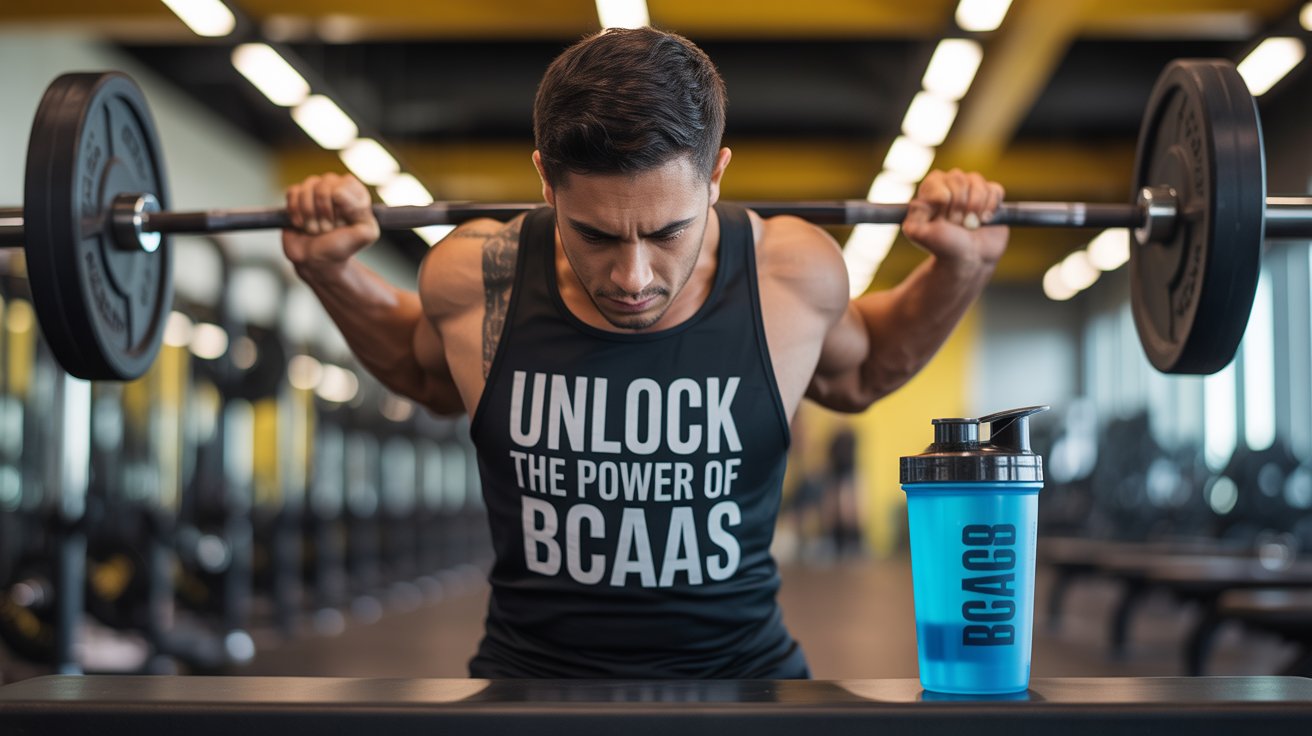
Branched-Chain Amino Acids, or BCAAs, are a set of essential nutrients known for their critical role in exercise and muscle recovery. BCAAs actually refer to three potent amino acids: Leucine, Isoleucine, and Valine - each of which provides specific benefits related to energy, endurance, and muscle recovery.
The BCAA types are widely known to improve exercise performance, lessen fatigue, and allow for muscle recover after exercise. Collectively, these BCAA types are able to work together to enhance athletic performance and are a common ingredient in supplements designed for muscle growth and repair.
Therefore, understanding vitamins and supplements, if you're just starting or you've been training for years, will help you make more informed decisions about your fitness and nutrition practices. Each scoop stimulates either pre or post workout, its all intentional!
Introduction: Why BCAAs Are Essential for Your Fitness Journey
In fitness and performance circles, BCAAs (Branched-Chain Amino Acids) are one of the most important supplements. BCAAs can help you, whether it's strength training, an endurance workout, or weight loss, by providing energy to muscles, easing soreness, and accelerating recovery.
There are three types of BCAA: Leucine, Isoleucine, and Valine. BCAAs are unique in that they contain essential amino acids—these are not produced by your body, therefore they must come from a food source or supplement.
If your goal is to improve workout consistency, lessen soreness, or increase lean body mass, learning about the differences between the types of BCAAs is your first step toward better supplementation.
What Makes BCAAs Unique Among Amino Acids
Branched-Chain Amino Acids, or BCAAs, are a set of essential nutrients known for their critical role in exercise and muscle recovery. BCAAs actually refer to three potent amino acids: Leucine, Isoleucine, and Valine - each of which provides specific benefits related to energy, endurance, and muscle recovery.
The BCAA types are widely known to improve exercise performance, lessen fatigue, and allow for muscle recovery after exercise. Collectively, these BCAA types are able to work together to enhance athletic performance and are a common ingredient in supplements designed for muscle growth and repair. Therefore, understanding vitamins and supplements, if you're just starting or you've been training for years, will help you make more informed decisions about your fitness and nutrition practices. Each scoop stimulates either pre or post workout, its all intentional!
BCAAs vs Other Amino Acids

The Role of BCAAs in Muscle Recovery and Performance
The different types of BCAAs each serve their own yet complementary functions in muscle recovery, repair, and endurance. Here’s what each does:
- Leucine – initiates protein synthesis and is a contributor to developing lean muscle
- Isoleucine – supports blood sugar regulation and endurance
- Valine – supports recovery and reduces muscle soreness
Reason you want BCAAs in your active routine:
- Reduce delayed-onset muscle soreness (DOMS)
- Enhance endurance for high-intensity workouts
- Enhance recovery post workout
- Preserve lean muscle mass when you are restricting calories or not eating
A proper balance of the types of BCAA can be the difference between dragging yourself through your next workout or showing up functioning at full throttle and with a faster recovery.
The Three Main Types of BCAAs: Leucine, Isoleucine, and Valine
When it comes to BCAA types, it is broken down into the three main amino acids that comprise this group: Leucine, Isoleucine, and Valine. These three are the main types of BCAA, and each amino acid serves its own purpose in your muscle health and performance.
Knowing how those BCAA types work will help you decide what ratio and timing is appropriate for your supplementation.
Leucine – The Trigger for Muscle Protein Synthesis
Leucine is the most widely researched and strongest of the three types of BCAA. Leucine interacts with specific receptors that serve as a primary switch to kick off muscle protein synthesis, which is essential for muscle recovery, growth, and strength for anyone interested in maximizing their muscle gains.
Four Key Benefits of Leucine:
- Kicks off building new muscle tissue
- Protects the existing muscle from a calorie deficit
- Protects and retains lean muscle mass during excessive training.
The importance of all this is: Without it, your body may not convert protein to muscle, even if you are consuming adequate overall protein intake.
Isoleucine – Supporting Energy, Stamina, and Endurance
Isoleucine is known for its more energy substrate and glucose monitoring function in the BCAA subgroup to help with energy utilization during physically demanding workouts. Isoleucine has a few key benefits:
- Improves endurance during extended periods of training
- Supports stability of blood sugar levels while exercising
- Increases muscle glucose uptake for improved endurance
Best for runners, cyclists, and anyone engaged in extended periods of cardio or HIIT training.
Valine – Aiding Muscle Repair and Reducing Fatigue
Valine brings the third axis of the BCAA group of amino acids to assist with muscle tissue rebuilding and combating central fatigue which is the type that will slow you down in your workouts. Valine offers some key benefits:
- Hurried muscle recovery after exercise
- Avoids early peripheral fatigue during vigorous exercise
- Enhances focus and coordination while under sustained physical stress
Best value use case: Recovery days, strength training, and when increasing the intensity of workouts.
Comparing the Three Types of BCAA

Each of the types of BCAA plays a critical role in supporting your body before, during, and after exercise. When combined in the right ratio—like the popular 2:1:1 (Leucine:Isoleucine:Valine)—these BCAA different types work together to give you a complete performance and recovery solution.
Understanding BCAA Ratios: 2:1:1 vs. 4:1:1 and More
When browsing the label of a BCAA supplement, typically one of the first things you will see is a ratio that might be something like 2:1:1, 4:1:1, or 8:1:1. The ratio correlates to the three types of BCAA: Leucine, Isoleucine, and Valine. Knowing how the balance of BCAAs comes into play can help you determine which type of supplement would fit your fitness goals the best; whether that is increasing muscle mass, endurance, or helping with recovery.
What the Ratios Mean in BCAA Supplements
A traditional BCAA supplement will include the amino acid amounts as ratios; below is how to break it down:
- 2:1:1 = 2 parts Leucine, 1 part Isoleucine, 1 part Valine
- 4:1:1 = 4 parts Leucine, 1 part Isoleucine, 1 part Valine
- 8:1:1 = 8 parts Leucine, 1 part Isoleucine, 1 part Valine
Why Leucine is Higher: Leucine is the strongest of three to create muscle protein synthesis. Higher-leucine supplements are designed to increase muscle-building signals to the body. However, it doesn't always mean that MORE is BETTER, balance is important too.
Choosing the Best BCAA Ratio for Muscle Growth
Not sure which ratio is right for your goals? Here’s a quick guide:

Tip: If you're new to BCAAs, starting with a 2:1:1 ratio is the safest and most researched option. It provides a solid balance of the different types of BCAAs for both muscle repair and endurance.
High-Leucine vs. Balanced Ratios – What Works Best?
- High-Leucine Ratios (4:1:1 and higher): Best for muscle growth and hypertrophy goals. Leucine is effective for protein synthesis and makes these formulas attractive for bodybuilders and strength-performance athletes.
- Balanced Ratios (2:1:1): Better for general fitness. Isoleucine and Valine cover the bases surrounding endurance, blood sugar stabilization, and fatigue. Leucine falls short in these categories.
Pros for Balanced Ratios:
- Great for Men and Women
- Promotes endurance + recovery
- More natural amino acid profile
- Pros for High-Leucine Ratios:
- More potential for immediate muscle building
- Some potential for faster recovery post intense resistance training
Forms of BCAA Supplements: Powder, Capsules, and Liquids
After selecting the appropriate types of BCAA supplements and their preferred ratios, next up is determining the method of consumption. BCAAs are most commonly sold in three main formats: powder, capsules, and liquid. While each of these has unique pros and cons according to your personal preferences, absorption rate, and lifestyle, this will impact your BCAA use in both effectiveness and consistency moving forward.
BCAA Powder Pros and Cons
Without question, BCAA powder is the most widely used format, particularly for those who frequent a training facility or engage in exercise. BCAA powder comes in flavored and unflavored options and is designed to mix easily in water.
Pros of BCAA Powder
- Fast absorption, particularly great for pre or intra workout.
- Simple dosing and customization of serving.
- Typically less overall cost per serving.
- Flavored powders can serve double as hydration support for training.
Cons of BCAA Powder
- Requires mixing, and a shaker bottle.
- Some formulas may contain artificial flavoring or sweeteners.
- Not the best use if you're time crunched or traveling.
Best for : Regular trainers or exercise enthusiasts who will need flexibility with dose and timing.
Are Capsules More Convenient Than Effective?
BCAA capsules or tablets are a clean and convenient flair—fabulous for active lifestyles and traveling.
Pros:
- Incredibly convenient and easy to carry
- Zero flavor, sweeteners, or aftertaste at all
- Great for those who may be sensitive to ingredients in powders
Cons:
- Absorbs slower than powders or liquids
- May need to swallow many capsules for one serving
- Not customizable
Best for: A busy professional, traveling, or someone who does not like flavored supplements.
Liquid BCAAs and Bioavailability: Faster Isn’t Always Better
Liquid BCAAs are pre-blended and typically advertised for potency and rapid absorption and convenience. But is it always "better" because it is "liquid"?
Pros:
- Nothing to mix — ready to drink
- Absorbs rapidly into the bloodstream
- Tastes good in sips during training
Cons:
- Short shelf-life after opening
- Generally more costly per serving
- Less control over flavor and ingredients
Best for: Athletes requiring instant availability with no preparation.
Which BCAA Form is Right for You?

BCAAs vs EAAs – Which Should You Choose?
EAAs (Essential Amino Acids) contain all 9 essential amino acids, including the three types of BCAA: Leucine, Isoleucine, and Valine. EAAs are more comprehensive, but BCAAs are more targeted and fast-acting.
Key Differences:

✅ Choose BCAAs if: You want fast-acting, workout-specific benefits.
✅ Choose EAAs if: You need a more well-rounded supplement, especially on low-protein days.
BCAAs vs Whey Protein – Do You Need Both?
Whey protein is a full source of protein, offering all essential and non-essential amino acids, including BCAAs. It's great for recovery, muscle building, and overall protein intake after physical activity.
Here is the key: Whey takes longer to digest and BCAA powder will be absorbed quickly (that's what makes it good for before or during your activity).
Brief Summary:
Whey Protein = Full recovery meal or snack
BCAA = Quick, on-target fuel for training
And yes, you can take both! Many athletes will consume whey after a workout, and BCAAs before or during, to get the greatest amount of support from as many directions as possible.
When to Supplement with BCAAs for Best Results
When you want to use the different types of BCAA's to their maximum benefit, the timing is essential.
The times you’ll want to use BCAAs:
- Pre-Workout- Energy and muscle protection.
- Intra-Workout - Delay fatigue and perform.
- Post-Workout - Faster recovery of muscle.
- During a Fasting or Cutting phase - To save muscle without calories.
Consistency is important for BCAAs. After regular use of BCAAs, you should notice a reduction in soreness, increased endurance, and maintenance of lean muscle mass with heavy training, especially.
In summary, these BCAAs are not going to replace a full protein or EAAs - they serve a specific purpose in your plan, while providing fast, focused muscle support for when you need it most. Once again, knowing the difference helps you stack your supplements properly, based on your body and your goals.
Natural Sources of BCAAs vs. Supplements
BCAAs are amino acids that your body cannot produce - they need to come from food. While many people take BCAA supplements, it is completely possible to consume BCAAs from a healthy diet.
But the question is: Are whole food sources enough or will you still need supplements? Knowing which foods contain BCAAs and the best time to supplement will help you on your journey to a smart fitness plan.
Whole Foods Rich in BCAAs
Many high-protein whole foods contain BCAAs, which have naturally occurring leucine, isoleucine, and valine. Whole foods will contribute to your health both in & out of the gym while providing essential amino acids for your muscles.
Top Whole Food Sources of BCAAs:

These foods offer a broad nutrient profile, including vitamins and minerals — not just BCAA different types.
When Supplementation Becomes Necessary
There are times when BCAA powder or capsules can come in handy, even with a healthy diet — particularly for active people or people with a specific goal in mind.
You might want to consider BCAA supplements if you:
- You train fasted (for example, a morning workout without eating first)
- You eat a low-protein diet, or only a plant-based diet
- You want to recover more quickly from intense exercise
- You want to maintain more muscle while losing fat
Supplements will give you a quick, measured dose of the three major types of BCAA, which you can take right before, during, or after exercise to maximize their effectiveness.
Can Diet Alone Provide Enough of the Different Types of BCAAs?
Technically, yes — practically, not always.
To get an effective amount of the different types of BCAAs (especially for muscle growth or recovery), you would need to eat enough protein by eating a high-protein diet, using thoughtful plans of the protein you eat. For many people, even active people and athletes, this might not be something they can always adhere to.
Things to consider:
- Diet alone is typically effective for general health (and for light activity)
- If you are an athlete, or are training intensely, you benefit even more from the additional support
- Supplements can fill in the gap, while not adding more calories in the end
A balanced approach on this issue would be to base your goal on whole foods and use BCAA supplements on those days where you need something performance-focused.
Best Time to Take BCAAs for Optimal Results
When it comes to BCAA (branched-chain amino acid) supplementation, timing is critical. Although BCAAs establish an environment for muscle growth and recovery, the timing of ingestion matters in regards to how effectively your body utilizes the different types of BCAAs, Leucine, Isoleucine, and Valine.
Each phase of your workout, whether by timing or exercise style (before, during, or after), initiates different muscle processes, so evidence-based timing of BCAA ingestion that aligns with your appropriate goal of preservation, endurance, or repair will improve your workout outcomes.
Pre-Workout for Muscle Preservation
When you take BCAAs before a workout. It a good option to start the process of protecting your muscles from being broken down for energy, which is particularly true for fasted training as well as caloric deficits.
Here is there science behind why pre-workout BCAA intake works:
- It preserves muscle mass while performing strength or cardio exercise
- It offers an early source of amino acids for energy
- It protects against catabolic muscle loss in endurance exercise
Ideal For:
- Morning workouts (especially in a fasted state)
- Weight loss/cutting phases
- Resistance training
Timing Consideration:
Take between 5-10g of BCAA powder 20-30 minutes prior to training.
Intra-Workout for Energy and Endurance
If you drink BCAAs during your workout, they can support endurance, fatigue, and focus during your workouts — especially when there is a long or intense duration.
Benefits of intra-workout BCAAs:
- Delay mental and/or physical fatigue
- Keep the muscles fueled with fast-acting amino acids
- Will also help support hydration (especially when mixed with electrolytes)
Ideal for:
- Endurance athletes (runners, cyclists)
- HIIT and circuit training
- Long weightlifting sessions
Pro tip: Mix your BCAA powder in a water bottle for steady sipping.
Post-Workout for Recovery and Reduced Soreness
After you train, your muscles enter a recovery phase. Taking BCAAs at this time supports protein synthesis and helps reduce DOMS (delayed onset muscle soreness).
Why BCAAs post-workout help:
- Speed up muscle repair
- Reduce inflammation and soreness
- Rebuild muscle fibers more efficiently
Perfect for:
- Bodybuilders and strength athletes
- Anyone increasing workout intensity
- Recovery-focused routines
Post-workout timing: Take 5–10g of BCAAs within 30 minutes after your session — with or without a protein shake.
Best BCAA Timing by Goal

By aligning your intake with the best time to take BCAAs, you maximize the impact of each of the BCAA different types and give your body what it needs, when it needs it most.
Selecting the Right Type of BCAA Based on Your Goals
Not every BCAA is the same and not all fitness objectives require the same specific formulation. With so many variants on the market to pick from, which kind of BCAA you use is dependent upon your training goals - whether building muscle, endurance, or recovery. Having an idea of how the different types of BCAA (Leucine, Isoleucine, Valine) act in different ratios or forms can also help you create an individual supplementation plan for you.
For Bodybuilding: High-Leucine Formulas
If your goal is muscle hypertrophy, you will want a formula with added Leucine, the amino acid that assists with the activation of muscle protein synthesis. High-Leucine BCAA blends are usually ratios like 4:1:1 or sometimes even 8:1:1.
Reasons to use high-leucine BCAAs:
- Supports faster muscle growth
- Promotes strength-building when in a bulk
- Boosts response of protein post-workout
When would you choose high-leucine BCAAs?:
- Bodybuilders and strength athletes
- When bulking
- When needing recovery from heavy lifting
Note: Leucine is the key type of BCAA, but don't forget about the other types! They still provide endurance and recovery.
For Endurance Training: Balanced 2:1:1 Ratios
If you're a runner, cyclist, or simply someone who does long sessions of cardio, the best BCAA ratio for you is probably a 2:1:1 BCAA ratio. This perfect balance helps with energy and stamina and hydration without flooding your system with Leucine only!
The benefits of a balanced ratio 2:1:1 BCAA are:
- It provides energy while you are active and fatigued for a longer period of time.
- It decreases muscle fatigue and soreness over time.
- It regulates blood sugar which drives steady endurance.
✅ Best for:
- Endurance athletes and activities.
- HIIT training.
- Long cardio sessions.
Balanced ratios present the full spectrum of BCAA different types and the mixture will keep your body fueled the entire time.
For Recovery Support: Instantized BCAA Powders
When you are looking for recovery support, soreness, and faster muscle rebuilds then an instantized BCAA powder is the best option. These BCAA's are instantized so they dissolve better and absorb faster in your muscles.
Why instantized BCAA's:
- Rapid absorption = Faster recovery.
- Easily mix with no clumps.
- Great on a recovery day, or post-workout.
Perfect for:
- Every day gym goers and sessions.
- Active recoveries and light recovery Mondays.
- Great to combine with protein shakes and electrolytes.
FAQs
Q1 What are the different types of BCAAs?
The three different types of BCAAs are Leucine, Isoleucine, and Valine. Each plays a unique role in muscle growth, energy production, and recovery.
Q2 How do I choose between different BCAA ratios like 2:1:1 or 4:1:1?
Choose 2:1:1 for balanced performance and endurance. Choose 4:1:1 or 8:1:1 if your goal is focused on muscle growth, as these contain more Leucine.
Q3 Are BCAA powders better than capsules or liquids?
BCAA powders absorb faster and allow flexible dosing. Capsules are convenient for travel, while liquids are pre-mixed and ready to drink. Choose based on your lifestyle.
Q4 Do I need BCAA supplements if I eat enough protein?
If your diet is high in complete proteins, you may not need BCAA supplements. However, they’re useful around workouts for faster absorption and muscle support.
Q5 Can women use all types of BCAA supplements?
Yes, BCAAs are safe and effective for women. They support muscle tone, energy, and recovery — without causing bulk or hormonal issues.
Q6 Are different types of BCAAs suitable for vegans?
Yes, many vegan-friendly BCAA supplements are made from fermented plant sources. Always check the label to ensure it's labeled vegan.
Q7 How long does it take to see results from BCAA use?
You may notice reduced soreness and better workout endurance within 1–2 weeks of consistent BCAA use, especially when timed around your training.
Conclusion: Choose the Right Type of BCAA to Maximize Your Fitness Potential
BCAAs are not just another new fad in fitness; they are part of the essential building blocks for muscle development, fatigue reduction, and recovery. Whether you're lifting weights, exercising long distances, or trying to stay active, understanding the unique types of BCAAs will help assist better supplementation of BCAAs.
From high-leucine formulas used for muscle development to traditional dredged two to one to one ratios for endurance, all BCAA formulated a purpose. Choosing the correct ratio and form — be it powder, capsule, or liquid form, will depend on your fitness goals, training intensity, and personal routine and process.
If you want to increase performance, recovery, and protect muscle, it’s time to identify the form of BCAA that works within your journey — and incorporate it into your routine to ensure consistency.


 +91 63528 07487

 225, Orchid Plaza, Sama-Savli Rd,
behind mc donald's, Vemali,
Vadodara, Gujarat, India 390008
225, Orchid Plaza, Sama-Savli Rd,
behind mc donald's, Vemali,
Vadodara, Gujarat, India 390008