

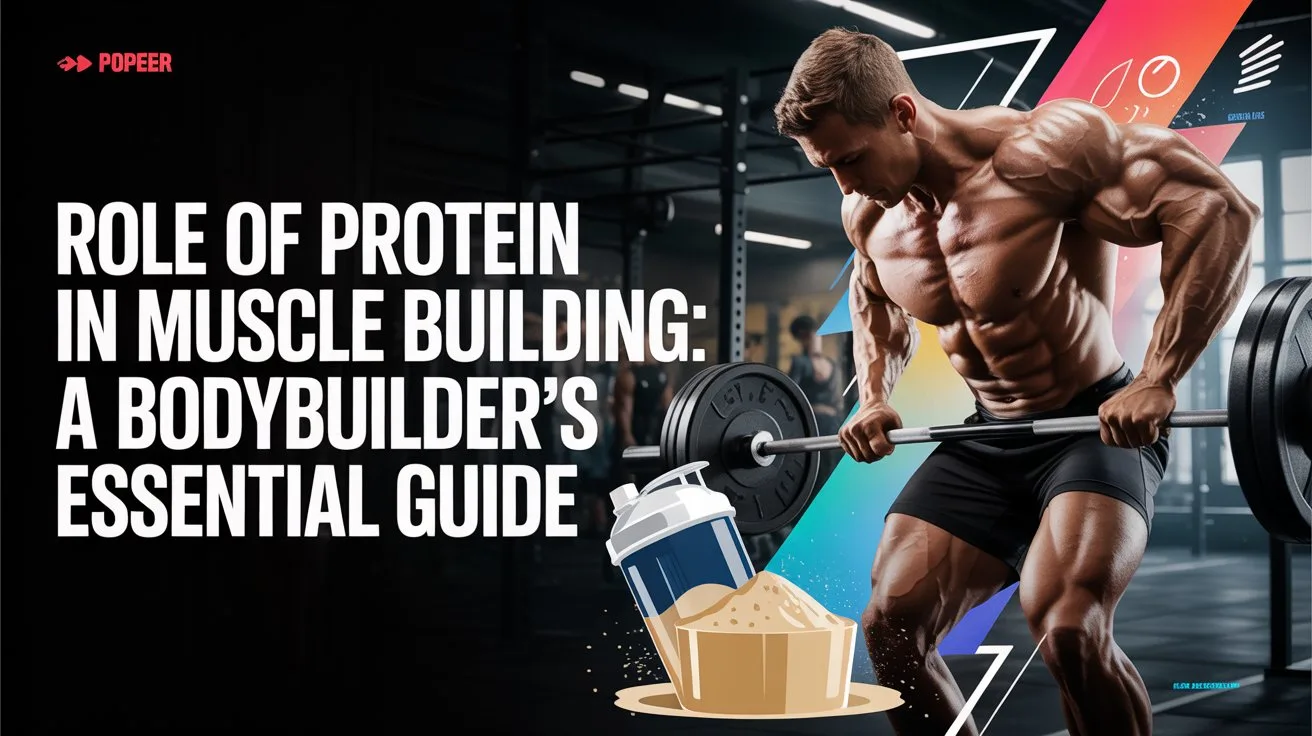
Protein is an important muscle builder and nearly universally viewed as the foundation of any bodybuilding program out there. If we view millets as the essential source of nutrients for growing babies, proteins are the essential constituent for repairing, maintaining, and the building of new muscle tissue in the body. The building of muscle tissue through the use of sports protein products includes repairing of microtears following workouts, repairing muscle tissue damage following workouts, and stimulating muscle protein synthesis which is the essential process of muscle building.
In a bodybuilding context, the role of protein includes the ability to consume adequate amounts of high-quality protein food sources such as lean meats, eggs, milk, and whey protein, to support the heightened nutritional demands of heavy training. This understanding is vital for the both the beginner and advanced athletes allowing for effective meal and sport protein supplement planning with their bodybuilding goals in mind. The role of protein in the fitness landscape ultimately extends to areas beyond muscle including, immune function, hormones, and metabolic health.
When it comes to optimizing results, it is not just how much protein one is consuming, but equally important is when and how regularly one is consuming it. Getting protein-rich food into your diet a few times throughout the day and after a workout can open a significant gap in recovery and performance. After all, understanding protein and its role in muscle building allows athletes to make informed, goal-oriented decisions that encourage sustainable strength and growth.
Protein is nicknamed "the building block of muscle" for a reason. In fitness, weight training, and sport - the importance of protein for muscle building is acute. Protein is a necessity for repairing and building muscle tissue that are damaged and broken down through resistance training. Without an appropriate amount of protein in the diet, muscles cannot grow and recover efficiently. Therefore, regardless if you are a beginner or experienced bodybuilder, understanding how protein works in your body and how best to use it is the first step to meaningful muscle construction.
Why Protein is Critical for Muscle Growth

When you do weight training or bodyweight training, your muscle fibers are stretched, leading to small tears in the muscle fibers. To repair and rebuild your muscle fibers, your body needs protein to rebuild them thicker and stronger than before; this is called muscle protein synthesis. Here are a few ways protein is important:
- Muscle Repair and Growth: Because protein is made up of amino acids, it provides the building blocks for rebuilding your muscle tissue.
- Optimization of Recovery: Adequate protein reduces the recovery time and soreness of your muscles.
- Preservation of Lean Mass: Protein must be consumed to preserve lean muscle during weight loss or intense training, while burning fat.
Understanding the Role of Protein in Bodybuilding
Protein's role in bodybuilding is not the same as your typical gym-goer. Bodybuilders take their bodies to a level far beyond the normal gym-goer, hence the need for more nutrient intake, specifically protein, to promote muscle hypertrophy (muscle growth). Here is how protein essentially contributes to a successful bodybuilding regimen:
- Supports Anabolic State: It keeps the body in a muscle-building environment, rather than catabolic (breaking down muscles).
- Supports Hormones: Protein is essential for hormone production which includes insulin and growth hormone, that are multifaceted hormones that affect muscle development.
- Supports Body Composition: If protein intake is adequate, it promotes gaining muscle while minimizing the amount of fat accumulated.
Bodybuilders focus on quality, quantity, and timing of protein in body building so that each work out can generate as much outcome as possible.
How Protein Fuels Strength Training
Strength training puts considerable stress on the muscles, and protein is the fuel that enables muscles to repair and rebuild. It's crucial to consume the right type and amount of protein so your body has what it needs to adapt and grow stronger. Here are some of the benefits that protein provides in strength training:
- Enhances Strength Over Time: Adequate protein consumption will play a part in the increase of muscle size and strength over time.
- Boosts metabolism: Protein has a higher thermic effect which aids in fat loss and energy expenditure.
- Improves workout performance: Protein heavy diets improve endurance and stamina during resistance training sessions.
Overall, if you are not incorporating and recognizing the role of protein in building muscle, you are missing an essential piece of the puzzle for fitness success. It doesn't matter if your goal is to bulk up, tone up, or maintain your strength -- protein is also going to be a non-negotiable part of your nutrition strategy.
The Science Behind Protein in Muscle Building

To understand how protein contributes to muscle growth, we need to take a look at the science involved. Resistance and strength training cause microscopic damage to the muscle fibers; in turn, this activates muscle protein synthesis (MPS) to repair and rebuild muscle fibers. Protein, mainly amino acids, is the primary building block to reconstruct the damaged muscle fibers. If there is insufficient dietary protein, the body cannot effectively repair muscle tissue, leading to no gains in muscle mass and strength.
Protein Synthesis and Muscle Recovery
At the foundation of protein in muscle building is muscle protein synthesis. Muscle protein synthesis is a biological process that repairs damaged muscle fibers and creates new muscle fibers, resulting in muscle growth and expansion. Here is how protein aids you in recovery:
- Initiates Repair Mechanisms: Post-workout protein consumption helps you initiate a rebuilding process of any tore muscle fibers.
- Reduces Inflammation: Protein aids in governing the immune response related to muscle soreness and fatigue.
- Shortens Recovery Time: Athletes that obtain proper protein intake recover faster and are prepared for their next training session sooner.
You can see the importance of protein in bodybuilding in the above information. Better recovery rates mean more training sessions that are productive (and aimed to produce a growth stimulus) which is paramount in obtaining muscle mass.
Protein in Muscle Building: Amino Acids at Work
Amino acids are the building blocks of protein, and they are essential for the repair and growth of muscle. There are 20 amino acids that can combine to form a protein, amongst them are the branched-chain amino acids (BCAAs) leucine, isoleucine, and valine, and they are very, very important for protein in any body building man, and this is why:
- Leucine Start Muscle Protein Synthesis: The most important BCAA for promoting muscle protein synthesis is leucine.
- Prevention of muscle breakdown: Amino acids can help provide energy and lessen the amount of muscle catabolism (breakdown).
- Improvement of endurance: BCAAs and amino acids aid the muscles to work efficiently with a sustained effort.
If you were to consume complete protein sources, like whey, eggs, or lean meat you would be sure that your body has all nine essential amino acids needed to develop muscle.
The Anabolic Window: Myth or Must?
The term "anabolic window" refers to the 30- to 60-minute period following a workout, during which you can consume protein that has been said to maximize muscle gains. While research suggests this window is not as strict or important as once thought, consuming protein after exercise has real benefits related to muscle building:
- Replenishes Depleted Nutrients: First, consuming protein post-exercise helps replenish glycogen and repair muscle tissue.
- Stimulates MPS: Second, timing your intake can stimulate continued muscle protein synthesis.
- Promotes Consistency: Lastly, developing a routine to consume nutrition post-exercise recommits to a process and leads to consistency, which leads to long-term results.
Regardless of whether or not the anabolic window is a hard and fast rule, getting enough protein at the right time is always good practice in relation to protein and muscle building.
Role of Protein in Bodybuilding Routines

In any good bodybuilding program, protein is central to bodybuilding. Bodybuilders follow a systematic training programme to stimulate muscle hypertrophy, which contains both the breakdown of muscle tissue and rebuilding of muscle tissue. To bodybuilders, protein is the building material in this process. Basically, when looking to build muscle, it is very important to know about protein in bodybuilding not just in terms of quantity of protein consumed, but also quality and timing. If you want to build lean muscle mass, protein helps ensure muscle recovery can keep up to and preferably outpace the intensity of training sessions while minimizing muscle breakdown, this way you experience growth.
How Much Protein Do Bodybuilders Need?
One of the most common questions in the fitness industry is, "How much protein is enough?" For bodybuilders, this intake is much higher than for the general population. For example, the Recommended Dietary Allowances (RDA) for protein for a sedentary adult is 0.8g of protein per kg of body weight, while bodybuilders typically need between 1.6 to 2.2g of protein per kg of body weight to support protein synthesis and maintain anabolic balance for muscle building.
Takeaways:
- Beginner bodybuilders: Try to achieve 1.6-1.8g/kg of body weight.
- Intermediate to advanced bodybuilders: Try to achieve up to 2.2g/kg of body weight.
- The total amount of protein should be spread out throughout the day to maximize absorption and synthesis.
That said, this increase maintains protein's role in muscle building by continually supplying amino acids for repair and growth.
Timing and Frequency of Protein Intake
Mere quantity is not the only component of protein consumption; timing and frequency of intake are also key contributors. To have the best protein-in-muscle-building impact from protein consumption, a good approach to optimal protein consumption is to have protein intake spread moderately (but regularly) throughout the day, including before and after workouts.
Best Practices:
- Pre-workout: A small protein packed snack about 30 minutes to 60 minutes before training will prepare the muscles to be ready for exercise.
- Post-workout: 20 - 30g of high-quality protein within an hour post training allows for recovery.
- Before Bed: Casein Protein will help muscle repair overnight because it is slow digesting.
This strategy will serve to maximize the role of protein in bodybuilding by ensuring a constant availability of amino acids for muscle tissue repair and growth.
Common Sources of Protein in Bodybuilding
Protein sources, whether you are bulking or cutting, is important in regards to how you gain and recover from muscle. The quality and the bioavailability of your protein will determine how well your body absorbs and utilizes dietary protein. To effectively assist with protein in body building it is necessary that you incorporate a variety of animal protein sources as well as plant protein sources, although animal protein sources nuances are generally complete amino acid profiles.
Common Sources of High-Quality Protein
Plant Based: lentils, chickpeas, tofu, tempeh, quinoa, and soy protein.
Whey protein is often touted in body building for its ability to be absorbed easily and its high leucine content, an amino acid that is essential in the protein synthesis process. This both validates the role of protein in building muscle as well as returned you back to a rested state after your workout.
Best Types of Protein in Bodybuilding

Choosing the proper form of protein is key to maximizing gains and recovery in the world of bodybuilding. The role of protein in bodybuilding is complex—it is involved in muscle repair, hypertrophy, and mitigation of soreness related to the training experience. Each kind of protein is designed to work differently depending on the time of day and the athlete’s dietary objective. To maximize the effectiveness of protein for muscle building, bodybuilders often incorporate a combination of fast-acting, slow-release, and plant-based protein approaches in their nutritional plan.
Whey Protein Isolate for Fast Recovery
Whey protein isolate is a favorite and one of the most proven proteins that can be utilized for post workout recovery. Whey isolate can be absorbed very quickly and contains the most amount of branched-chain amino acids (BCAAs) of any protein, including leucine, a strong stimulant of muscle protein synthesis. This makes it a great choice for replenishing muscle stores right after a training session.
Key Benefits:
- Fast absorption: The ideal protein for the post workout recovery window.
- High purity: Only about 1% fat, carbs, and lactose.
- Muscle repair: Has the properties to quickly recovery post intense workouts.
The role of protein in muscle building is clearly illustrated with whey isolate and the ability to prevent muscle breakdown during the critical anabolic window after resistance training.
Casein for Sustained Release During Sleep
Whey isolate is a quick source of protein in a faster digesting food whereas casein protein is a slower digesting protein that provides amino acids to the body over hours. This means that it is a highly effective protein source for night time consumption because it can support muscle recovery through the night and help reduce the likelihood of muscle breakdown while fasting, such as while you sleep.
Key benefits:
- Slow digestion: Provided a continuous feed for muscle overnight.
- Supports recovery: Reduces muscle degradation as/while sleeping.
- Complements whey: Casein is ideal for shake time because you may include a casein-based protein as part of a 24-hour seriatim protein approach.
When we talk about long-term gains, protein plays a role in bodybuilding that is not just dependent on timing around workouts or training regimens; it is also about getting protein on a regular basis and ensuring that nutrients are supported as constant as possible for the various times when you are not eating. Casein is a great protein source to utilize for that reason.
Plant Proteins in Bodybuilding
There is a growing use of plant-based proteins including pea, brown rice, hemp, and soy, especially among bodybuilders who have dietary restrictions for health, environmental, or ethical reasons. Most plant-based proteins are missing one or more essential amino acids but there are effective combinations (rice and pea protein, for example) that yield complete amino acid profiles, which work well for serious muscle building.
Advantages of plant based proteins
- Variety - Featuring proteins from peas, soy, hemp and brown rice means you have flexible options.
- Digestibility - Often easier on the stomach than dairy based proteins.
- Nutrient Density - Many plant based proteins also provide fiber and antioxidants.
Although protein is often touted for it's role in bodybuilding, it is often assumed it is animal-based proteins, and it's important to note that plant-based protein can also provide what a bodybuilder needs, when selected appropriately. This is also good reminder that protein in bodybuilding does not need to be one-size-fits-all.
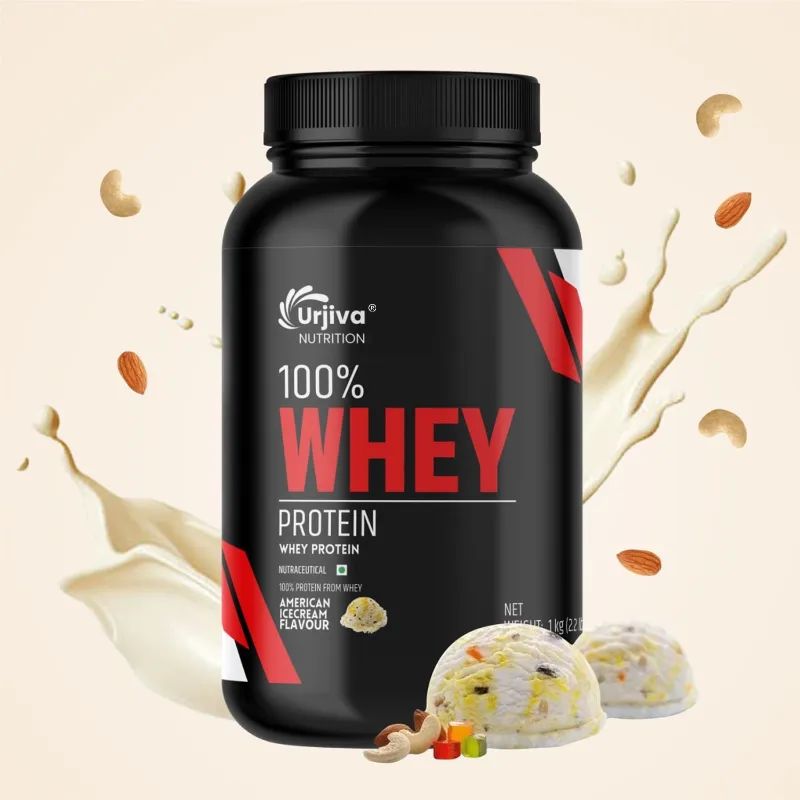
100% Whey Protein (American Ice Cream Flavour)-1 Kg
Product Description:Get ready to indulge in the smooth, creamy taste of Urjiva Nutrition 100% Whey P...
₹NaN
Buy NowPractical Tips for Using Protein Effectively
In the world of fitness and strength training, knowing the importance of protein in building muscle is just the start. To truly increase the gains and also aid recovery, bodybuilders need to learn how to best use protein. To do so, bodybuilders need to utilize smart nutritional strategies, timing of the intake, and more, while avoiding typical mistakes. Whether you're a new bodybuilder or an experienced lifter, you could probably use these tips to maximize your protein intake during your bodybuilding regimen.
Protein in BodyBuilding Diets: Smart Pairing
To maximize the outcomes of your protein intake, combine it with complementary macronutrients. For example:
1. Combine protein with healthy fat (like nut butter, or avocado) to promote sustained energy.
2. Combine protein with complex carbohydrates (oatmeal, brown rice, or sweet potato) to promote glycogen replenishment post-exercise.
3. Combine protein with fiber-rich vegetables to improve digestion and enhance absorption of the protein.
Smart combinations promote the anabolic response, and create more balanced and fulfilling meals. The idea of leaning into protein in bodybuilding highlights the importance of protein, as long as it is included optimally as part of a complete meal.
Tracking Protein Intake for Consistent Progress
It is consistent with protein in muscle building. Without tracking, it is easy to either under- or over consume protein. Helpful tracking ideas include:
Use a food journal or mobile app to track daily protein grams.
- Calculate based on body weight (active people need 1.6 - 2.2 grams of protein per kilogram of body weight).
- Spread protein consumption evenly (about 20 - 40 grams of protein per meal is optimal).
- With tracking, athletes can adjust their diets based on training intensity, training goals and recovery needs - fully accounting for the role of protein in muscle building.
Avoiding Common Mistakes with Protein Supplementation
Protein supplements can be a convenient source of protein in your nutrition plan, but improper application can diminish their effects or lead to digestive upset. Avoid these common pitfalls:
- Relying only on shakes: Use real food as your primary source for protein. Whole food examples offer a wider range of nutrients.
- Eating too much: Your body won't store the excess protein as muscle; it will simply take in too many calories that you don’t need.
- Disregarding timing: Your post workout is an optimal time to consume protein, ideally within 30 minutes after exercise.
Recognizing these mistakes reinforces the proper function of protein in your body building journey, and remands protein supplements as a product to optimize your performance.
FAQ’S
Q1 What is the role of protein in muscle building?
The role of protein in muscle building is to repair, rebuild, and grow muscle fibers after training.
Q2 How much protein should I consume for bodybuilding?
For the role of protein in bodybuilding, aim for 1.6–2.2 grams per kg of body weight daily.
Q3 Is protein timing important in bodybuilding?
Yes, protein in muscle building is most effective when consumed within 30 minutes post-workout.
Q4 Can I build muscle with plant-based protein?
Plant protein can support the role of protein in muscle building if it meets your amino acid needs.
Q5 What's the best protein for muscle building?
Whey protein is widely considered best for protein in body building due to fast absorption and high BCAAs.
Q6 Does more protein mean more muscle?
Not always—excess protein in body building doesn’t equal more gains; balance and training are key.
Conclusion: Use Protein Wisely for Maximum Muscle Gains
Understanding protein when building muscle is imperative for anyone serious about their fitness. Protein is more than a nutrient, it is the foundation of muscle. After the rigors of a workout, your body begins a recovery stage, repairing and reconstructing damaged muscle fibers. Sufficient dietary protein most assures efficient recovery and reasonable limits of growth and strength.
The role of protein in building muscle extends beyond merely adding mass. Critical functions involve regulating processes in metabolism, protecting lean muscle mass during weight loss, and profiting recovery, among other response that contribute to performance and adaptation through mitigating fatigue. Regardless of whether you are a casual gym-goer or a competitive athlete; matching your nutrition to the intensity of your workout is a reasonable approach. Protein makes up a large part of that picture.
When you think of protein in the muscle building context, timing, quality and quantity can all be factors. Top quality sources of protein include whey protein, lean meat, eggs and legumes. These quality sources contain the essential amino acids our bodies need to trigger muscle protein synthesis. When we consume dietary protein is also important. Post-workout or 24 hours later, maintaining a consistent amount of protein incorporated at regular intervals throughout your day should maintain a positive nitrogen balance, or the state of being in muscle anabolism.


 +91 63528 07487

 225, Orchid Plaza, Sama-Savli Rd,
behind mc donald's, Vemali,
Vadodara, Gujarat, India 390008
225, Orchid Plaza, Sama-Savli Rd,
behind mc donald's, Vemali,
Vadodara, Gujarat, India 390008