

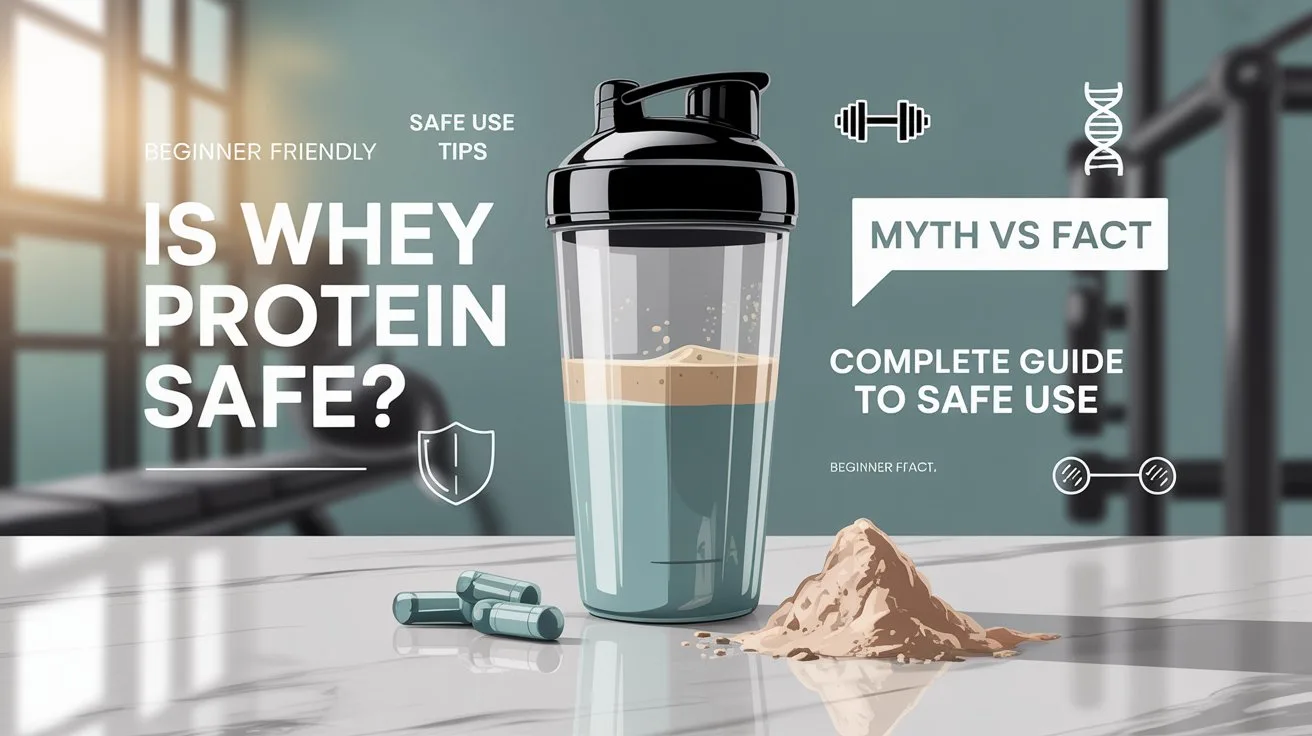
Whey protein is an excellent source of high-quality protein derived from milk. It is a complete protein that contains all essential amino acids the body requires for muscle development, repair and general health.
A common concern for many is how safe whey protein is; studies indicate that it is safe for most healthy individuals if consumed in moderate amounts. Whey protein provides muscle recovery, weight management support and immune response, making it an effective supplement to a sensible diet.
Questions like "is whey protein safe to consume during pregnancy?" are prevalent. Whey protein does provide complete nutrition; however, it is always recommended that pregnant women consult their healthcare provider before adding whey protein to their diets.
For most adults, understanding the recommended amount that is safe to consume is important. Generally, 1 to 2 scoops or servings (or roughly 20–40 grams daily) of whey protein can be safely consumed by adults. Knowing the daily recommended amount of whey protein can help ensure individuals are able to enjoy the benefits of whey protein with little risk.
Understanding Whey Protein: What It Is and How It Works

Whey protein is derived from milk and is a natural protein. It is separated out during and processed into powder form. Whey protein gets to the muscles quickly, providing the body with the essential amino acids required for recovery, muscle synthesis, health, etc.
People often ask if whey protein is safe, and research shows that whey protein is safe for most healthy people when used as directed. It is a dependable source of protein for active people and for people that are just looking for protein in their diet.
What Is Whey Protein? Definition and Nutritional Value
Whey protein is recognized as a complete protein because it provides all nine of the essential amino acids needed by the body. Because whey protein is low in fat, carbohydrates, and lactose (particularly for some for types, ie. isolate), but high in protein and other nutrients needed by the body for growth and repair.
Whey protein is something many people think about, including women who are pregnant and therefore they ask is whey protein safe during pregnancy. Whey protein can, if needed, provide pregnant women with support for their nutritional needs, but they should only do this after checking with the doctor so that they know it will fit with their individual health needs.
Whey protein can also be very easy in a person's daily food intake, but it will be beneficial to understand how much whey protein is safe to use in a day. The majority of healthy adults will be able to consume 1–2 scoops in a day without any issues, which is depending on an individual's total daily protein requirements.
How Whey Protein Supports Muscle Growth and Health
Whey protein aids in muscle recovery after exercise by supplying fast-digesting amino acids that repair and rebuild damaged tissue. This can help to improve strength, performance, and muscle development through time.
In addition to muscle recovery, whey protein also supports a healthy metabolism, aids fat loss by regulating appetite, and provides energy throughout the day. For the average person, understanding how much whey protein is safe to consume usually allows them to garner the benefits without anything more than the chance of overconsumption.
Types of Whey Protein Explained (Isolate, Concentrate, Hydrolysate)
There are several types of whey protein. They are processed slightly differently. The different types consist of whey protein concentrate, whey protein isolate, and whey protein hydrolysate.
- Whey Protein Concentrate: Whey Protein concentrate contains 70% - 80% protein with trace amounts of lactose and fat. This is the most commonly used whey protein and it is cheaper than other options on the market.
- Whey Protein Isolate - Whey Protein isolate contains > 90% protein with negligible amounts of lactose and fat. It is the best option for those with lactose intolerance.
- Whey Protein Hydrolysate: is pre-digested (or it is auto flavour, see below) allowing the protein to be digested quicker and/or eliminating digestion problems (for some people).
The Health Benefits of Whey Protein Consumption

Whey protein provides many critical health benefits, making it a beneficial addition to a balanced diet. From muscle growth to weight management and immune support, whey protein helps the body in various ways. Many people want to know is whey protein is safe, and this answer is yes if you consume the proper amount.
Muscle Recovery, Growth, and Post-Workout Benefits
Whey protein is one of the most effective supplements to aid muscle recovery. After a workout, muscles require protein to repair the small tears created after physical activity. Whey protein provides fast-digesting amino acids that allow muscle recovery and growth more quickly.
- Helps repair muscle fibers that were damaged during workouts.
- Helps support lean muscle growth over time.
- Helps reduce soreness in muscles and will speed up the recovery process.
For those wondering how much whey protein is safe, research suggests that 20-40 grams per day is effective and safe for maintaining muscle health (1-2 scoops).
Weight Management Support with Whey Protein
Whey protein can also be effective for weight control. The protein in whey helps you stay fuller longer, decreasing caloric intake which can aid in fat loss while preserving muscle.
- Promotes fullness and satiation.
- Promotes fat loss and maintains muscle.
- Makes calorie consumption easier to manage.
If you are working on weight management, you want to know how much whey is safe per day. Most people can consume whey protein daily in their diet plan and within reasonable amounts.
Immunity Boost and Metabolic Health
In addition to improvements in muscle and weight, whey protein also has benefits for immune system support, as well as metabolic health. It has beneficial constituents, including immunoglobulins, lactoferrin, and antioxidants.
- Enhances immune response.
- Enhances metabolic functioning that helps burn calories effectively.
- Delivers nutrients that help to enhance general wellness.
Women can also ask is whey protein is safe when pregnant. Whey protein serves as a good source of nutrition, but it is important for pregnancy women to seek out a doctor before utilizing whey supplements. A doctor can ensure that the use of whey supplements would be safe and serve to meet the woman's individual needs.
Is Whey Protein Safe? Addressing Common Safety Concerns

Whey protein supplements are among the most popular in the world, yet many people are still concerned asking the question: is whey protein safe? Whey protein in recommended amounts is safe and beneficial to health. The only concerns about whey protein are usually based on misunderstandings or misuse, not real risks.
Debunking Myths Around Whey Protein Safety
Despite myths that whey protein causes kidney, liver or bone health problems, scientists have found that:
- Healthy individuals experience no kidney or liver damage due to whey protein.
- Adequate protein, which could include whey protein, does not negatively affect bone health but may actually play a role in muscle strength and supported bone health.
- Generally, only when protein intake is excessively over daily needs for extended time periods, will problems arise.
By knowing how much whey protein is safe for individuals, one can safely include whey without negatively impacting their health.
Is Whey Protein Safe During Pregnancy?
During pregnancy, nutrition is essential, and many women ask is whey protein safe to use during pregnancy. Whey protein can help you to meet your increased nutrition needs:
- Pregnant women should always consult a physician before taking whey protein.
- If it is approved, whey protein can be added to your diet (in controlled amounts) safely.
Medical advice is to be able to see that the supplement fits in to your individual health needs, and will help you make sure that you are supplementing with products that support whole food nutrition.
With professional help whey protein can be included in a variety of pregnancy diets.
Lactose Intolerance, Allergies & Digestive Sensitivities
As whey protein is from dairy products, some people have digestive issues:
Whey concentrate contains more lactose and therefore can create bloating, gas, or other issues for those that are lactose intolerant.
- Most people tolerate whey isolate and hydrolysate which contains little to no lactose.
- People with dairy protein allergies should avoid whey protein completely.
Choosing the right type of whey protein and knowing how much whey is a safe amount per day can help you reduce any potential digestive discomfort, while still taking some nutritional benefit.
Is Whey Protein Safe for Long-Term Use?
Many individuals are concerned about long-term safety, and are wondering if whey protein is safe for long term use. Research indicates: Whey protein is safe for long-term consumption and is not harmful, even in large doses, when taken within daily needs for protein intake. Long-term safety is based on the balance of whey protein and other protein sources to ensure the individual does not over consume protein. For most healthy adults, 1 to 2 scoops of whey protein powder a day is safe and even beneficial for reaching fitness goals and overall health .
How Much Whey Protein Is Safe? Dosage Guidelines

Whey protein does find use in muscle building, recovery and is also useful for overall health. That said, the need to identify the safe amount of whey protein, in the context of consumption, is necessary to avoid overconsumption. While it is generally safe to have for an individual in good health, dosage guidelines still need to be in place to ensure safety whilst maximizing the effect of whey protein.
How Much Whey Is Safe Per Day? General Recommendations
Requirements that are set for whey protein intake differ from person to person as there are multiple determinants like age, overall activity of the person and weight.
- Healthy adults are recommended to take 0.8 grams of protein for every kilo of body weight on a daily basis.
- For individuals that undergo physical training or partake in muscle building exercises, protein requirement increases to a range of 1.2– 2.0 grams per kilo of body weight.
- Based on lifestyle and diet, whey protein intake can be safely set at 20-40 grams (1-2 scoops) daily.
Knowing what amount of whey protein is considered safe daily aids people in balancing between protein derived from other food sources without going beyond recommended limits.
How Much Whey Protein Is Safe Based on Activity Levels
- Whey protein must be readily adjustable with regard to amount to be consumed on the basis of activity level, as they impact daily protein requirement significantly.
- Individuals leading a sedentary lifestyle need lower amounts of protein, and if dietary intake is satisfactory, a single small serving of whey may suffice.
- Those who engage in regular physical activities require higher amounts of protein and can safely consume 1–2 scoops of whey protein per day for muscle recovery.
- Intensely training athletes and bodybuilders may require higher amounts of protein, however, they need to ensure their total daily intake is within a safe range relative to their body weight.
- Properly monitored intake allows individuals to reap the benefits of whey while staying within safe limits for their activity level.
Safe Limits for Athletes, Teens & Older Adults
Whey protein required can also be dependent on age and the physical demands placed on the body.
- Higher amounts of protein are often needed to sustain performance and recovery in athletes. The requirement may increase to 1.6–2.2 grams per kilogram of body weight. The use of whey protein is safe to meet these heightened demands, as long as it is balanced with whole foods.
- While whey protein is beneficial during the growth phases for teens, it is crucial to seek guidance from a health care professional to determine safe and appropriate use.
- Senior individuals may want to increase their protein intake to preserve muscle mass and strength. Incorporating whey protein into their diet can be done safely to mitigate age-related muscle loss.
- In each demographic, understanding how to safely use whey on a daily basis optimizes supplementation. For expectant mothers, the worrying topic of why is whey protein safe during pregnancy always needs special attention by a specialist as every case is different.
Scientific Research on Whey Protein Safety

Whey protein is one of the most researched supplements in the field of nutrition and has been studied extensively. It has gone through many trials to assess its advantages as well as the safety it guarantees. The answer to is whey protein safe is established due to gathered data, which indisputably culminates into the conclusion that it is safe for healthy individuals to use within recommended guidelines.
Clinical Studies Supporting Whey Protein Safety
- Clinically tested whey protein is said to enhance muscle mass, strength, and recovery after resistance training, in addition to having them performed.
- Aside from them, long-term studies show no adverse consequences on kidney, liver or bone health in healthy individuals on whey protein, as long as the person is within their daily protein allowance.
- Protein consumption from sources such as whey protein aids in weight control, immunity, and metabolic functions.
- Through adequate understanding of dosage and the safe intake of whey protein, individuals can incorporate whey into their daily regimen.
Nutrition Experts' Consensus on Whey Protein Use
Reputable nutritionists and other health bodies have come to a consensus as regards whey protein. Most of them have cited their guidelines in the following statements:
- Individuals who find it difficult to incorporate enough protein into their diet may benefit from protein supplements.
- Most healthy adults can safely take one to two scoops of whey protein a day without health risks.
- Complete nutrient protein from whole foods should still make up the mainstay constituent part of the daily intake for all.
- Pregnancy is often accompanied with a lot of questions concerning whey protein, but it is best for expectant mothers to get advice from care providers. When medically managed, whey protein might safely fit into some dietary plans during pregnancy.
- For everyone across the board, knowing how much of the substance is safe on a daily basis is essential for long-term safe usage for all groups.
How to Choose Safe, High-Quality Whey Protein

Choosing the right whey protein ensures that you get the full health benefits while minimizing any risks. Choosing a clean product devoid of additives is essential in ensuring that whey protein is safe.
Safe Brands, Organic & Grass-Fed Options
Some products may contain fillers or sub Kentucky grade protein sources compromising the safety of the user. To circumvent this, ensure that:
- Such brands have established names that benchmark the standards of the replacement components.
- Organic forms of whey protein can limit exposure to pesticides and other resultant compounds.
- Grass-fed whey lagoons come from cows fed on natural feed. Such rations are known to have increased concentrations of certain nutrients like omega-3 fatty acids.
- Products claiming various outlandish health benefits often do not possess the required quality control.
With such brand selections, meso constituents ensure safety around how much whey protein is deemed safe for daily usage.
How to Read Nutrition Labels to Avoid Additives
The reading of the label is everything that enables you to spot any features that may prejudice your well being. Some features to pay close attention include the ingredient list which should start with whey protein (concentrate, isolate or hydrolysate).
- Do not buy products that include sweeteners, preservatives, or artificial fillers.
- Look for low sugar value products and those with no spikes in unnecessary ingredients.
- Look for products with minimal add-ons, as ingredients like fillers and additives indicate a reduction in quality.
Understanding what is in your product allows you to safely enjoy whey protein within your limits without going overboard and calculating how much whey is safe daily.
Third-Party Tested, Clean Protein Powders
External testing serves as a good indication of what a safe product of whey protein is. Certified products undergo testing for:
- Purity and correct amount of protein claimed.
- Clean of heavy metals and other harmful toxins.
- Clean of banned substances which is vital for sports people.
Establishing proof makes the question, "Is whey protein safe for the product you’re using at this moment?" a clear and targeted “yes”. Pregnant women make a strong case for obtaining proof and verifying, “is whey protein safe during pregnancy?" with their caregiver before applying the supplement.
FAQS
Q1 Is whey protein safe for daily use?
Yes, as long as users stick to set limits based on the individual’s need.
Q2 Is whey protein safe during pregnancy?
Is whey protein safe during pregnancy depends on individual health; always consult a doctor before use.
Q3 How much whey is safe per day?
For most healthy adults, how much whey is safe per day is about 20-40 grams or 1-2 scoops.
Q4 How much whey protein is safe for athletes?
For athletes, how much whey protein is safe varies but typically ranges from 1.2 to 2.0 grams of protein per kg body weight daily.
Q5 Is whey protein safe for long-term use?
Yes, is whey protein safe for long-term use when total protein intake stays within daily nutritional guidelines.
Conclusion: Is Whey Protein Safe? Yes — With Smart Use
When used responsibly, whey protein is safe for most individuals. The research available supports that whey protein is safe for daily consumption as long as it is within reasonable limits. Knowing how much whey is safe per day—around 20-40 grams—enables users to enjoy its health benefits without risk of adverse effects. The guidelines may shift slightly for athletes in terms of how much protein is needed, but those changes still fall in the realm of safe consumption.
Pregnant women, along with any special individual group, require a doctor's guidance to ensure whey protein is safe for them during pregnancy. However, under the right dosage and quality, whey protein proves to be useful in achieving a balanced diet.




 +91 63528 07487

 225, Orchid Plaza, Sama-Savli Rd,
behind mc donald's, Vemali,
Vadodara, Gujarat, India 390008
225, Orchid Plaza, Sama-Savli Rd,
behind mc donald's, Vemali,
Vadodara, Gujarat, India 390008