

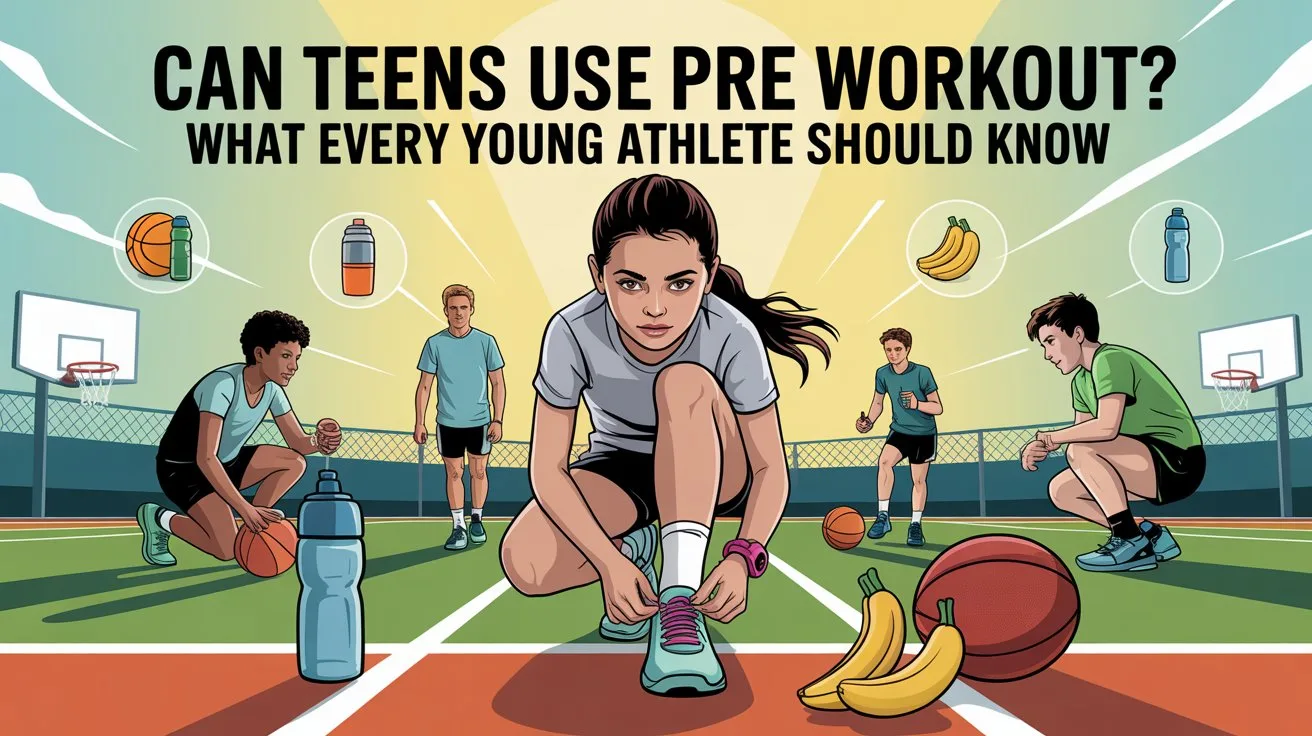
Preworkout supplements are favored among fitness enthusiasts for their properties and ability to boost energy, focus, and endurance. But are pre workouts safe for teens? Whether or not a preworkout is appropriate for a teen depends on multiple factors, including the ingredients in the preworkout, the amount taken, and the overall health of the teen. Most pre workouts contain ingredients that are stimulants, such as caffeine, which can impact heart rate and sleeping patterns, making them a potentially dangerous supplement for growing bodies.
For those asking can teens take pre workout, it is a good idea to ask a medical professional before starting anything new. Not all pre workouts are bad for teens, but if they are going to be using pre workouts, they should not take the highest stimulant formula they can find. They also have the option of natural or low caffeine/stimulant versions if the medical professional recommends it. Nutrition, sleep, and hydration should always come first and supplements should only be a supplement and consumed by the guidance of medical professionals.
Why It’s Important to Ask: Can Teens Use Pre Workout?
In our fitness-focused society, preworkout supplements have become increasingly popular, especially among young adults and teens. Despite pre workout being marketed primarily towards adults, we are seeing more and more teens taking this supplement in the name of performance, whether it is for a high school sports team or for the latest social media fitness trend. But with more teens using pre workout supplements, the question must be asked: can teens use pre workout safely?
The teenage body is changing and growing, meaning the benefits and risks should be evaluated when considering the introduction of supplements at an early age. Not all preworkouts are created to consider the health of teens, therefore it is essential that parents, coaches, and young athletes know the facts.
Why preworkout supplements are trending among teens
- Social media influencers and fitness YouTubers are promoting preworkout as a necessary item for young people.
- The promises of instant energy, more endurance, and muscle pump appeal to young people in the gym.
- With more hyper-flavored and "teen-friendly" labels on these products, they appear to be harmless.
The buzz around preworkout can make it seem necessary, but many teens do not realize that these supplements are often created for adults.
Can teens take preworkout safely without risks?
Can teenagers take preworkout without negative reactions? It depends on the product. Most preworkout products contain caffeine, beta-alanine, and creatine - all of which may not be very safe in large doses for teenagers.

Significant health concerns include:
- Increased heart rate or blood pressure
- Sleep disturbances and restlessness
- Dependence on caffeine or stimulants
- Dehydration during sporting activities
Teenagers who suffer from underlying health conditions such as asthma or heart issues, are at an even greater risk to their health and safety when using high stimulant preworkout products, which is why practitioners do not typically recommend high stimulant preworkout products to teenagers during adolescence, unless supervised.
Understanding the teenage body and performance needs
Teenagers are going through rapid physical, hormonal, and emotional growth and development. Their nutritional and performance needs are very different than those of adults.
Instead of using pre-workout supplements, teenagers should focus on:

- Well balanced meals: Balanced meals will include carbohydrates (fuel), protein (muscle repair), and healthy fats.
- Naturally energizing foods: bananas, peanut butter, oats, or a fruit smoothie
- Sleep: The most potent recovery and energizing factor in life for teenagers
- Hydration: Adequate water and electrolytes are necessary for top performance, especially during exercise and recovery.
Relatively speaking, a lot of teenagers who are looking to enhance performance through pre-workout supplements would benefit more from a structured training plan and nutrition plan than they would from pre-workout powders.
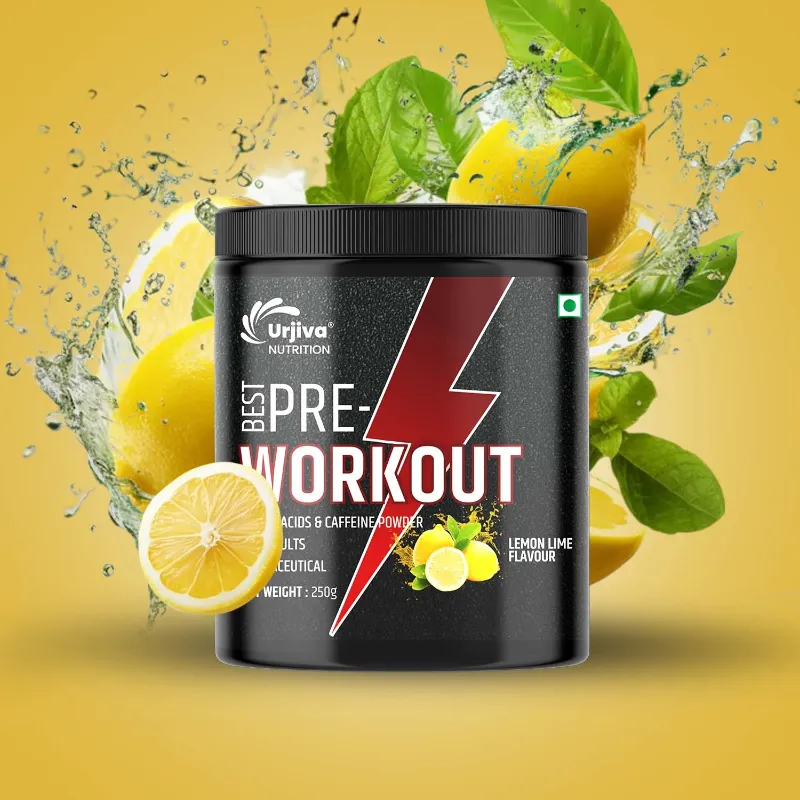
PRE WORKOUT (Lemon) 250 GRM
Product Description:Introducing Urjiva Nutrition Pre-Workout – Lemon Flavour, a power-packed perform...
₹1,392.00
Buy NowHow Preworkout Affects the Body: The Science for Teens
Understanding how preworkout supplements affect the body is incredibly important—especially for teens. Preworkout supplements are intended to improve workout performance by increasing energy, focus and endurance. So can a teen safely use pre workout products? It depends on their development stage in the body and on what is included in the supplement.
What preworkout does: focus, energy, endurance
Preworkout supplements are intended to prepare the body for physical activity by focusing on three areas:

- Focus: Many preworkouts include ingredients such as caffeiene or tyrosine that increases mental clarity/alertness in a workout.
- Energy: Caffeiene is the most common energy booster, this common compound acts on the body's nervous system and temporarily ease the feelings of fatigue.
- Endurance: Ingredients like beta-alanine help reduce muscle fatigue to allow longer intervals of intense working out.
These areas are great effects for adult athletes, but the effects could potentially be greater or unpredictable in teenagers which relates to the sensitivity/tolerability of that teens body.
Ingredients like caffeine, beta-alanine, and creatine
Can teens use pre workout blends with high stimulants?
This is where being careful is very important. Many preworkout blends include high amounts of stimulants. Stimulants are simply not good for teens. While can teens take preworkout is a common question, guiding parents/adult caregivers/healthcare providers to help them navigate should provide some safer options, with the safest being only low-stimulant or stimulant-free options and only with supervision of an adult or healthcare provider.
Reasons high-stimulant preworkouts are likely not safe for teens:
- They typically exceed caffeine limits for minors.
- May affect sleep, growth and natural energy cycles.
- They increase heart rate and blood pressure.
- In sensitive users they may trigger anxiety, mood swings or dependency.
The Benefits of Preworkout for Teen Athletes
As more teens engage in sports and other fitness-oriented activities, many are exploring supplements like preworkout supplements to help them perform better. In the adult sports world, athletes often take preworkout blends to help them focus longer or to help increase endurance performance over longer distances or time periods. Can teens use pre workout and expect the same results? Surprisingly, preworkout can provide specific benefits to teens when used responsibly and with clean, low-stimulant formulations.
Increased focus during training and competitions
Focus is key in both fitness practice and competitive events. Teen athletes can often lose focus due to distractions - especially in long training sessions. Preworkout supplements containing nootropics or mild cognitive enhancers such as L-theanine or lower doses of caffeine can assist in providing increased mental clarity and focus.
- Helps athletes remain mentally "in the zone"
- Aids better reaction times and decision making
But can teens take preworkout just for focus? Yes - as long as it is under supervision and they are taking stimulant free or low-caffeine preworkouts designed for adolescent athletes.
Improved performance in high-intensity sessions
Whether it be sprinting, weightlifting or circuit training; teen athletes can benefit from increased stamina during their practices since performance during intervals relies on muscle fatigue recovery and energy output in a short amount of time. Preworkout contains products such as beta-alanine and creatine, which could reduce muscle fatigue and improve our short amount of energy output.

Performance benefits for teens:
- Extended physical output capacity in endurance-based sports
- Reduced perceived exertion during intense training sessions
- Speedier muscle recovery between sets
Nevertheless, it is important that any pre workout supplements consumed by teens be age-appropriate and safe on the ingredient scale.
Boosted energy without added sugars (in clean formulas)
Numerous energy drinks marketed to adolescents are loaded with refined sugars and artificial stimulants. In comparison, preworkout supplements may incorporate clean-label or stimulant free blends to provide natural energy without the drawbacks of sugar crashes. Clean preworkout energy sources may include:
- Natural caffeine from green tea or yerba mate
- Electrolytes and B Vitamins to support hydration and energy metabolism
- Plant-based adaptogens that support ongoing endurance
In determining whether teens can use pre-workout supplements, clean formulas (no added sugar, no artificial dyes and no hard-to-identify stimulants) are likely the best route to provide safe support for adolescent energy needs.
Risks and Concerns: Can Teens Take Preworkout Without Harm?
As adolescent athletes gain interest in supplements, one question that emerges is, "can teens take preworkout without harm?" While these products may be intended to enhance performance, it is important to understand the potential risks and concerns prior to encouraging adolescents to consume them. Because the adolescent's body is still developing, the effects of stimulants and additives on their body may be different than that of an adult.
Overstimulation, caffeine overload, and heart health
Most commercial preworkout supplements use caffeine, sometimes providing over 200mg per serving of caffeine. For a teenager, and especially anyone 18 years of age and younger, this much stimulant can result in overstimulation of the nervous system and side effects such as:

- Rapid heart rate or heart palpitations
- Insomnia or disruption of sleep
- Anxiety or restlessness
Since all teens are more prone to stimulants, can teens drink pre workout with high caffeine? No, they cannot. In the presence of an adult, they could be safe in products that contain natural, low-stimulant versions of caffeine (such as L-theanine or green tea extract).
Dependency and the danger of skipping meals
Another risk of preworkout use in teens is that they may supplant appropriate nutrition. Because of access to preworkouts, some teens may start to rely upon a scoop of preworkout for energy, in place of consuming a balanced meal prior to training, which could inhibit growth and development. Unbalanced diets sustained overtime can lead to:
- Poor eating habits
- Nutrient deficiencies
- Over-dependence on supplements for motivation or energy
This is particularly concerning for a teen athlete, which is a group that needs consistent caloric and nutrient consumption supporting growth, performance, and recovery.
Common preworkout side effects in teenagers
While adults may tolerate most preworkout formulas, teens often experience side effects at a higher rate due to lower body mass and hormonal fluctuations. Some common negative reactions reported by teens include:

Therefore, can teens take preworkout safely? Only under medical guidance and with full awareness of ingredients. Safer, low-stimulant or stimulant-free versions exist—but education is key.
Safer Alternatives to Preworkout for Teenagers
Although teen athletes might have a curiosity to see if they can take some sort of supplements, it is worth exploring safer alternatives to pre-workout that will give performance benefits without jeopardizing their wellbeing for the long run. When assessing if teens can take pre-workout, there are often very natural alternatives to pre-workout that can offer the energy and focus during training—without the stimulant side effects.
Natural energy boosters: bananas, oats, peanut butter
The most effective way to ingest more energy prior to a workout is by consuming their energy in real food. Healthy whole food snacks can provide some immediate energy plus lasting energy:

- Bananas: Lots of potassium and some naturally occurring sugars for some quick energy.
- Oats: Complex carbs for slow release energy.
- Peanut Butter: Healthy fats and protein for sustained energy.
Shifting attention to natural alternatives will enhance physical performance and contribute to a teen's overall growth and development versus a pre-workout formula that may interrupt their nutrient balance.
Caffeine-free preworkout options for teens
If teens are set on using supplements, can teens use pre workout that’s stimulant-free? The answer is yes, with proper guidance. Some formulas are specifically made for younger athletes and avoid caffeine, artificial sweeteners, and other harsh ingredients.
Ingredients to look for in caffeine-free preworkout options:
Hydration, sleep, and balanced meals vs supplements
Before turning to any preworkout, teens should first prioritize the fundamentals of athletic performance:

- Hydration: Dehydration leads to early fatigue. Drinking water or electrolyte drinks is often more beneficial than supplements.
- Sleep: Growth and recovery happen during sleep. Even the best preworkout can't replace rest.
- Balanced Meals: A diet rich in complex carbs, lean protein, and healthy fats provides a natural and reliable energy source.
These healthy habits not only boost performance naturally but also build the foundation for lifelong fitness.
Expert Tips: How Teens Can Use Pre Workout Safely
With the rising interest in supplements, many young athletes and parents are asking: can teens use pre workout safely? The answer depends on the type of product, how it’s used, and whether the teen’s overall wellness habits are in check. While most health experts urge caution, there are ways to minimize risks—if usage is well-informed and carefully managed.
Start with low-stim or stim-free products
If a teen is determined to try a preworkout, it’s best to start with the mildest option possible. This often means choosing:
- Stimulant-free preworkouts that focus on hydration, electrolytes, and amino acids
- Low-caffeine formulas, ideally below 100mg per serving
- Products with transparent labels—no proprietary blends or hidden ingredients
These formulas offer mild performance support without overwhelming the central nervous system, which is still developing in teenagers.
Use preworkout only under adult or coach supervision
A teen should never self-prescribe or experiment with preworkout supplements. Instead:
- Consult a doctor, coach, or sports nutritionist before starting any supplement
- Ensure a parent or guardian is aware and approves of the product being used
- Follow all label directions strictly—never exceed recommended dosages
Adult supervision ensures that teens make educated, responsible choices, reducing the chance of side effects or misuse.
Monitor hydration, sleep, and signs of side effects
Even when teens can take preworkout safely, it doesn’t replace healthy habits. Key wellness areas must still be a priority:

If any adverse effects are noticed, teens should discontinue use right away and consult a healthcare professional.
FAQs
Q1. Can teens use pre workout every day?
It’s not recommended. While some preworkout products are safe occasionally, can teens use pre workout daily depends on the formula and lifestyle. Overuse may affect sleep and natural energy levels.
Q2. Are stimulant-free preworkouts better for teens?
Yes. Stimulant-free preworkout formulas are typically safer for teens as they avoid caffeine overload and reduce the risk of jitteriness or heart strain.
Q3. What should teens avoid in preworkout?
Can teens take preworkout safely? Only if they avoid high caffeine, yohimbine, proprietary blends, and any unlisted or banned substances.
Q4. Can teens take preworkout with creatine?
Some preworkout products include low doses of creatine, which may be safe for older teens. However, it's best to consult a coach or doctor before using any creatine-based supplement.
Q5. What's a good natural preworkout for teens?
A balanced snack like banana with peanut butter, oats with honey, or a fruit smoothie can act as a natural preworkout option—fueling workouts without risks.
Conclusion: Can Teens Use Pre Workout Responsibly?
The question of whether teens can responsibly utilize pre workout when it comes to teen fitness, energy, and performance don’t lend themselves to a straightforward yes or no answer or a clear cut answer. It ultimately depends on individual needs, what kind of preworkout is involved, and how the pre workout is being utilized.
For some active adolescents, especially those involved in high-level athletic sports, low-stimulant and/or stimulant-free preworkouts can help enhance focus and endurance, however, one must always be on alert. Most preworkout formulas are written for adult bodies, as many contain ingredients or doses that may not be suitable for a growing teenager.
What’s the safest way to handle preworkout? Preworkout in adolescents should only be used under a parent, coach, or healthcare providers supervision. Learning to recognize the bodies reaction to preworkout, start with clean or natural preworkout solutions, and begin with low-stimulant or no-caffeine blends, can help make preworkout safer.
Ultimately, can teens use pre workout? Yes, with education, moderation, and responsibility. Proper nutrition, hydration, adequate sleep, and smart training, should always come before relying on supplements.
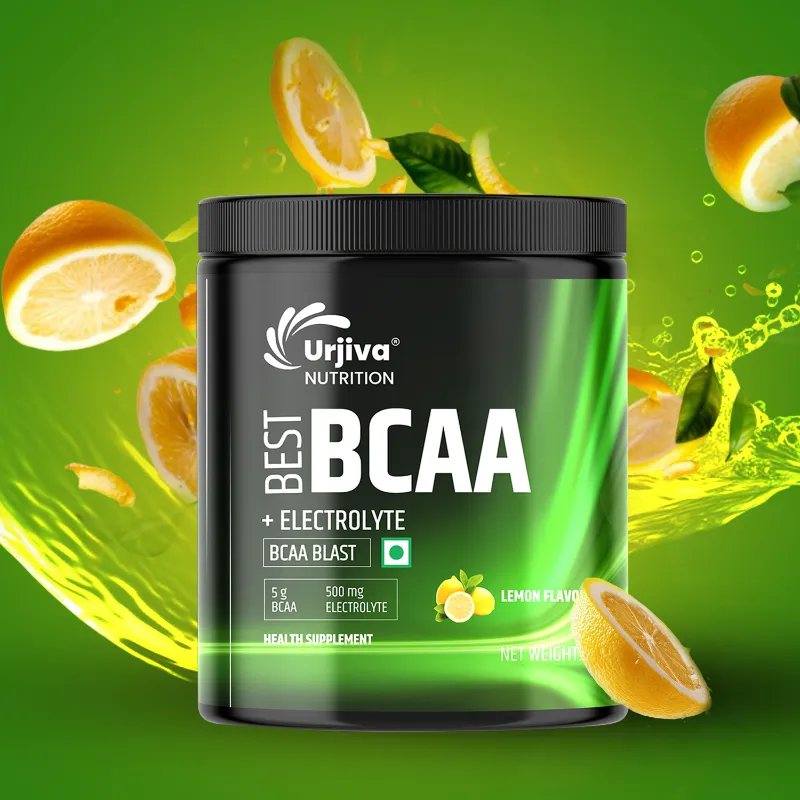
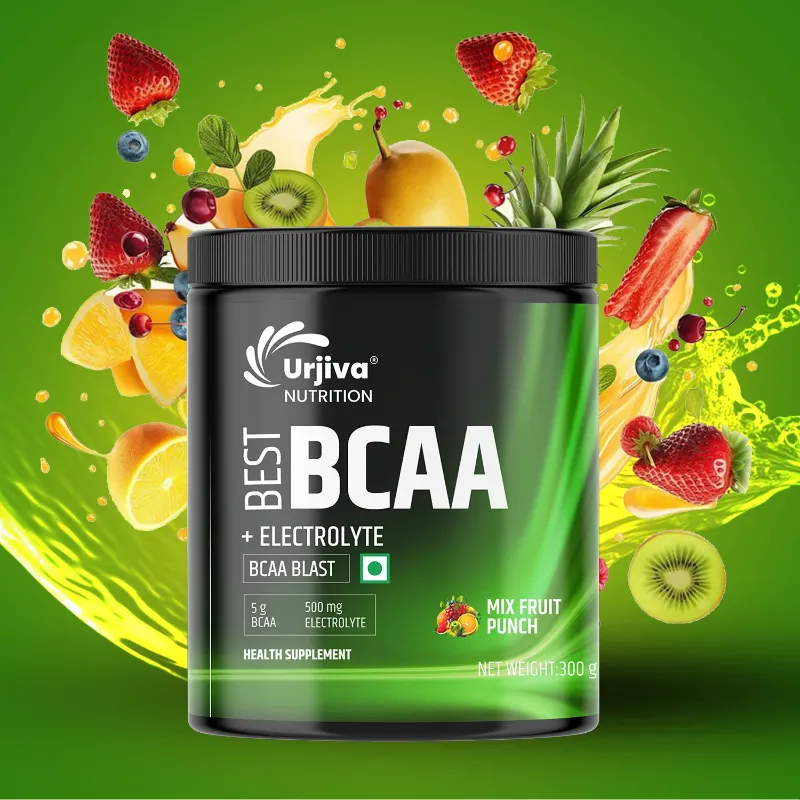


 +91 63528 07487

 225, Orchid Plaza, Sama-Savli Rd,
behind mc donald's, Vemali,
Vadodara, Gujarat, India 390008
225, Orchid Plaza, Sama-Savli Rd,
behind mc donald's, Vemali,
Vadodara, Gujarat, India 390008