

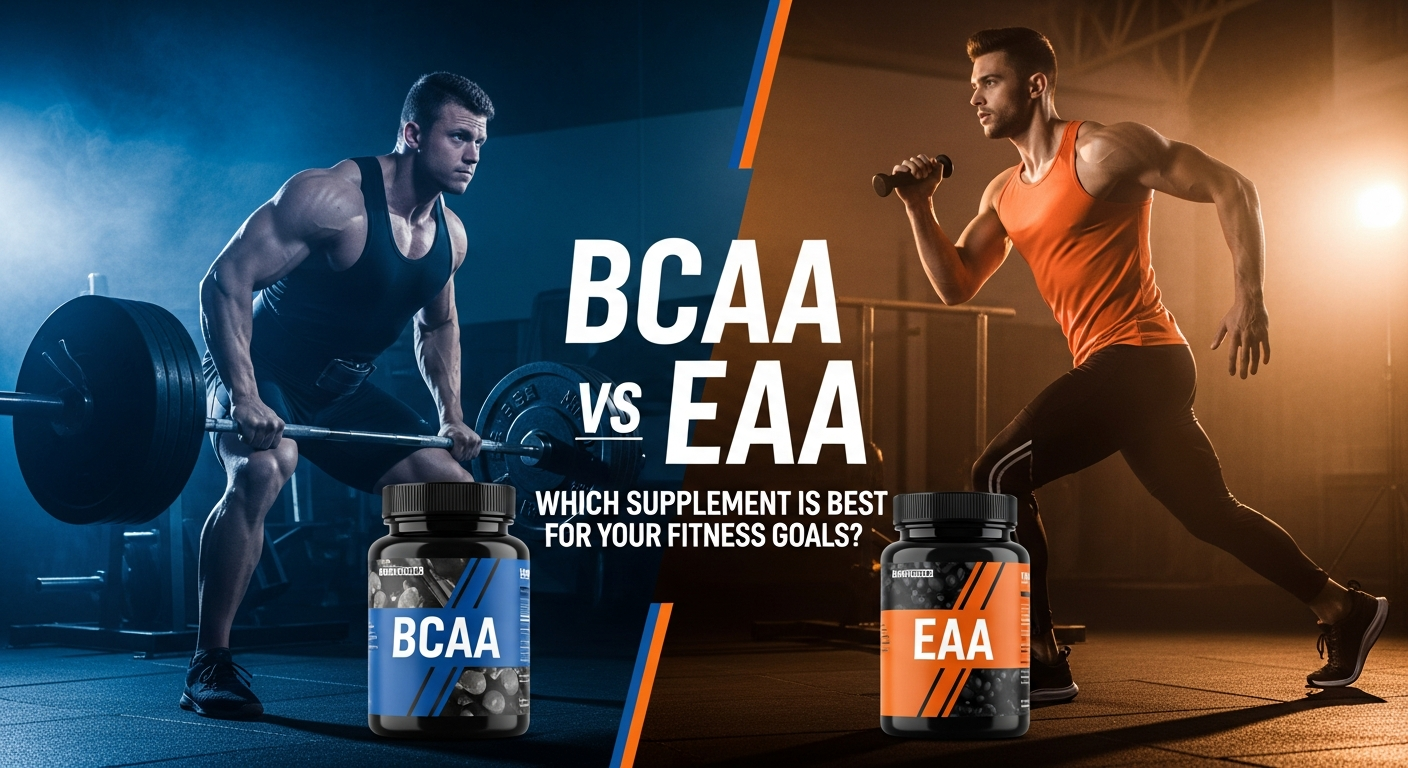
BCAA vs EAA: Which Supplement is Best for Your Fitness Goals?
Biopesticides, or biological pesticides, are environmentally friendly pesticides made from natural materials. These materials include fungi, bacteria, and plants, such as herbs and seeds.
Biopesticides are designed to control specific groups of pests, such as insects, by being highly selective.
Biopesticides break down quickly in the environment and do not cause any damage to the environment.
Biopesticides help support sustainable agriculture, by ensuring no long-term negative effects occur to the soil, trees, and creatures.
Understanding the Basics: What Are BCAAs and EAAs?
Branched-Chain Amino Acids (BCAAs) and Essential Amino Acids (EAAs) are both necessary for muscle building, repairing, and performing. The two types of amino acids differ in their chemical make-up and how effective they are in helping you achieve your goals; therefore, choosing between BCAAs and EAAs requires knowing the differences. When comparing the two types, BCAAs support your muscles while working out and EAAs offer an entire amino acid spectrum, allowing your muscles to grow properly.
By understanding how to use each type of amino acid correctly, you'll be able to get the proper amino acid supplement based on your unique fitness level, intensity of workout and recovery time after working out.
BCAA Definition and Role in the Body
BCAAs include three essential amino acids-leucine, isoleucine, and valine-that are directly utilized by the muscle for energy and recovery. They are particularly beneficial for reducing fatigue and preventing muscle loss during workouts.
BCAAs Have Many Functions:
- Stimulating muscle protein synthesis (due to high levels of leucine)
- Reducing muscle breakdown during exercise
- Providing immediate energy to your muscles while exercising
- Speeding up recovery time following exercise

EAA Meaning and Complete Amino Acid Profile
Complete muscular repair and muscle growth must involve all essential amino acids in their entirety (i.e., those which need to be ingested through the diet). In contrast with branched-chain amino acids, essential amino acids provide complete support of muscle protein synthesis.
Functional Benefits of Essential Amino Acids
- Assist entire muscle build-up process
- Assist in recovery & tissue repair
- Assist in functional performance of the body overall
- Balanced Diet (i.e., with respect to amino acids). Depending on dietary intake.

Why Amino Acid Supplements Matter in Fitness
You can use both the BCAA and EAA supplements to help improve your exercise performance as well as recover after your training session . The choice between BCAAs and EAAs depends upon if you are looking for specific muscle support or if you are looking for a complete source of amino acids .
Competitive Advantages of BCAAs & EAAs
- Enhance exercise performance or endurance
- Minimize muscular soreness and fatigue
- Support muscle growth/repairs
- Preserve lean muscle mass

The Key Differences Between BCAA and EAA Supplements
What makes BCAAs different from EAAs is their structure, how well they work, and what they do to help build muscles. BCAA consists of three amino acids and mainly help generate and maintain muscle, while EAA consists of all nine essential amino acids required for complete growth and repair of muscles.
It is important to understand the differences between BCAA and EAA when choosing which one you would like to use as a supplement in order to meet your goals of quick recovery, endurance, or total muscle development.
Amino Acid Profile Comparison
Essential Amino Acids (EAAs) consist of a complete set of the 9 Essential Amino Acids required by your body. Thus, EAAs can be considered a more comprehensive choice for total nutrition and muscle building than Branched Chain Amino Acids (BCAAs), which contain 3 Essential Amino Acids (Leucine, Isoleucine, Valine).
Differences in Amino Acid Composition:
- BCAAs – 3 amino acids (Leucine, Isoleucine, Valine)
- EAAs - 9 essential amino acids
- EAAs- promote complete protein synthesis
- BCAAs -mostly support muscle energy and recovery.
Muscle Recovery and Protein Synthesis Differences
Both EAAs and BCAAs both work to support the recovery process, but the EAA category is more effective for recovery because it contains the full complement of the amino acid necessary for complete muscle protein synthesis.On the other hand, the BCAA category is able to prevent some muscle breakdown but will not help in the full build-up of muscle by themselves.
Here are the key differences in recovery:
- BCAAs will help reduce muscle soreness and fatigue
- EAAs provide the proper nutrients to facilitate the complete repair and growth of muscle.
- EAAs trigger other pathways to stimulate greater protein synthesis.
- BCAAs may be taken during exercise to help to provide fuel for your body.

Supplement Composition and Effectiveness
BCAAs are best used during workouts for energy replenishment & preventing muscle loss; whereas EAAs provide complete recovery after a workout or while building muscle.
Comparison of Effectiveness:
- BCAA supplementation is best for providing immediate energy and reducing fatigue
- EAA supplementation is best for providing overall muscle mass gain as well as recovery.
- EAA offers greater health / performance benefits than BCAA.
- BCAAs produce individualised responses, while EAAs produce a generalised response.

Benefits of BCAAs: When and Why to Choose Them
BCAAs are the preferred option of two amino acids when comparing amino acids for targeted muscle support during exercise and rapid recovery from exercise. EAAs can be used for complete amino acid support while BCAAs will more directly provide immediate energy during exercise and help to reduce fatigue while protecting lean muscle mass.
The differences between BCAAs and EAAs will help you determine the amount of BCAAs and EAAs that should be consumed based on your activity levels; BCAAs should be used before and during workouts or when experiencing a calorie deficit; whereas EAAs should be used for overall muscle growth and development.
Muscle Growth Support and Leucine Role
When it comes to increasing muscle size, branched-chain amino acids (BCAAs), especially leucine, are particularly important as they stimulate the synthesis of muscle proteins.
While essential amino acids (EAAs) contain all of the amino acids necessary for proper function, BCAAs continue to have a significant impact on stimulating the signals for muscle growth throughout exercise.
Muscle Growth Benefits:
- Leucine activates the pathways required for muscle development
- Assists in preserving lean tissue
- Supports the maintenance of muscle tissue during fat loss
- Absorbs rapidly for immediate action
Reducing Muscle Soreness and Fatigue
BCAA supplements can assist with the recovery process after hard training by improving muscle recovery and reducing soreness. The use of BCAAs will help reduce muscle injury and accept faster recovery after intensive training.
Benefits include:
- Reducing delayed onset muscle soreness
- Minimizing muscle breakdown
- Assisting in faster recovery times between workouts
- Supporting consistent / possibly improved quality of training performance

Energy Support During Exercise
BCAA's biggest advantage over others is their ability to be utilized directly as an energy source during physical activity allowing for a more effective means of performance when doing endurance work and during extended durations of physical activity.
BCAA has the following energy benefits:
- Immediate energy during the course of a workout
- Delays fatigue and/or exhaustion
- Increases training endurance
- Allows for more prolonged training
Advantages of EAAs: Comprehensive Support for Muscle and Health
If you are comparing BCAAs versus EAAs, you will find that EAAs give the best results for muscle growth, recovering from workouts, and overall health. When it comes to building muscle and repairing damaged muscles, the three amino acids found in BCAAs only partially fulfill this function compared to the nine essential amino acids found in EAAs needed for muscle protein synthesis.
Therefore, anyone looking to use nutrition to support their fitness or athletic plan would have greater success if they only use EAAs due to their larger available pool of nutrients versus BCAAs.
Complete Protein Synthesis Boost
EAAs contain all nine essential amino acids that your body requires. The presence of all nine EAAs in your body allows for the most effective way to build muscle compared to using only BCAAs alone. With EAAs, you will have the nutrients that allow for proper recovery and growth of your muscles.
EAAs improve muscle building in the following ways:
- Support complete synthesis of muscle proteins
- Contain all nine essential amino acids
- Increase muscle mass and strength
- Prevent incomplete muscle recovery
Enhanced Recovery and Muscle Repair
Essential amino acids (EAAs) are an excellent source of nutrients needed to repair muscles after rigorous exercise making them tremendously effective in repairing the muscles after exercise. Subsequent to using EAAs you will experience a reduction in soreness, a speedier healing process, and an improved rate of recovery.
Benefits of Recovery:
- Muscle Repair and Regeneration is Faster
- Soreness and Inflammation are Reduced
- Faster Recovery Between Workouts
- Supports Consistent Training Performance

Support Beyond Muscles: Overall Health Benefits
In addition to building muscle, essential amino acids (EAAs) also promote overall health, making them much more versatile than branched-chain amino acids (BCAAs). EAAs help with immune function, metabolism, and mental well-being.
Additional benefits of EAAs:
- Provide enhanced support for the immune system
- Aid in healing and repairing tissue
- Aid in hormonal and enzyme production
- Promote healthy brain function and mood
BCAA vs EAA: Which One Should You Use Based on Your Fitness Goals?
Depending on your goals, the intensity of your training, and the foods you are eating, there may be many factors to consider when determining whether to take BCAAs or EAAs to achieve your goals. BCAAs provide immediate energy, help with muscle fatigue, and help maintain an individual's muscle throughout their exercise regimen; however, EAAs have a complete amino acid profile, which is essential for overall muscle growth as well as proper recovery after exercise.
Best for Muscle Gain and Strength Training
When you're trying to gain muscle mass and strength, EAAs tend to be more effective than BCAAs because they give you a complete source of the essential amino acids needed to build muscle through muscle protein synthesis, whereas BCAAs are still a useful supplement during a workout to help maintain muscle during an extended period of high intensity.
Benefits of Using EAAs to Build Muscle:
- EAAs Support a Complete Muscle Building Process from Beginning to End
- BCAAs Provides the Means to Prevent Muscle Breakdown
- Improved Muscle Strength/Increased Lean Mass
- Improved Recovery Post-Workout

Best for Endurance and Workout Recovery
BCAAs as well as EAAs provide advantages while building up endurance and recovering from workouts; they play different roles. BCAAs assist in reducing fatigue during workouts, but EAAs are more effective during recovery time after workouts.
Benefits of Endurance and Recovery:
- BCAAs extend workout duration, increase overall endurance.
- EAAs assist with repair and allow muscles to return to previous performance levels more quickly than if repairing themselves.
- BCAA's delay fatigue (exercise) and increase endurance.
- EAA's help with muscle recovery (exercise).
Choosing the Right Supplement Strategy
The optimal approach is not necessarily choosing one or the other, but rather, knowing how best to use the two in conjunction with your routine. The most effective way to achieve maximum results with a combination of both methods, will depend on your own individual fitness goals.
BCAA's and EAA's:
- BCAA's provide you with energy during your workout
- EAA's give you amino acids for recovery after your workout
- Choosing which one you take will depend upon your diet; if you do not consume much protein, EAA's may work better for you
- Modify your use of BCAA's or EAA's as needed by the intensity level of your training session
Potential Side Effects and Safety Considerations of Both Supplements
Both BCAA and EAA supplements are generally safe when taken according to recommended dosages; however, knowing how to maximize their uses is just as important as knowing how to take them properly. The difference between BCAAs and EAAs not only exists in effectiveness but also in metabolic pathways.
BCAAs are metabolized more simply and are often used before/during a workout, while EAAs provide a total amino acid profile (therefore providing greater benefits) but need to be consumed in balance. Using the appropriate BCAA and EAA supplementation strategy will help you not only eliminate potential side effects but also give you the best opportunity to perform optimally and recover effectively.
BCAA Side Effects and Limitations
High usage or misuse of BCAAs can cause mild side effects and some limitations for most people. Because BCAAs have only three amino acids, a BCAA-only diet can result in incomplete nutrition.
Possible Limitations and Side Effects:
- High doses can cause digestive discomfort
- Overuse can cause amino acid imbalance
- BCAAs are only effective with the right amount of protein intake
- Not a great source of complete protein
 EAA Safety Profile and Usage
Essential amino acids (EAAs) are highly effective and safe because they have all the essential amino acids your body needs; but taking too much without the right supervision can lead to a few minor side effects like stomach upset or fatigue (Source: Aaron Silva).
The following highlights summarize some of the safety specs of EAAs:
- Supports a balanced intake of amino acids
- Recommended for long-term use
- Rarely produces side effects when taken as directed
- Can be used by most levels of fitness
Recommended Dosage and Safe Consumption Tips
To reap the maximum benefits from both BCAAs and EAAs, you must adhere to proper dosages and timing protocols. By ensuring safe use, you can maximize the number of benefits with minimal risks.
Safety Is Key
- Use within a recommended dosage range of 5-10 grams
- Drink plenty of fluids while supplementing
- Do not exceed your own needs for safety reasons
- Combine supplements with a properly balanced diet

FAQs
Q1-What is the main difference between BCAA and EAA?
BCAAs contain 3 essential amino acids, while EAAs include all 9 required for complete muscle protein synthesis.
Q2-Which is better: BCAA vs EAA for muscle growth?
EAAs are better for muscle growth because they provide all essential amino acids needed for full recovery and development.
Q3-Can I take both BCAA and EAA supplements together?
Yes, but it is usually unnecessary as EAAs already include BCAAs and provide more complete benefits.
Q4-Are BCAAs enough if I consume high protein?
If your protein intake is already high, BCAAs may not be necessary as you’re getting enough amino acids from your diet.
Q5-Who should choose EAA over BCAA?
People aiming for complete muscle growth, recovery, or with low protein intake should choose EAAs over BCAAs.
Conclusion: Make an Informed Choice Between BCAA and EAA for Optimal Results
Choosing between BCAA and EAA will depend on various factors such as your fitness goals, your diet, and the intensity of your training. If your goal is to provide your muscles with quick energy during your workouts, BCAAs are a great choice.
If your goal is to provide your body with all the necessary amino acids to achieve complete muscle growth and recovery, you will want to choose EAAs.
While both BCAAs and EAAs can be effective supplements, most will find that EAAs are a better choice for providing their body with a complete amino acid profile, which will promote muscle overproduction and quicker recovery. On the contrary, BCAAs remain an excellent supplement when used during workouts or while dieting.
Therefore, the best plan is to develop a supplement routine that works in conjunction with your current eating patterns, and physical training, to help you achieve optimal performance and results long-Term